You love the idea of a garden. The reality — weekly weeding, dragging out the hose every evening, watching half your plants die by June — not so much. If that sounds familiar, you’re exactly who this post is for. The good news is there are plenty of low maintenance garden ideas that let you have a green, inviting outdoor space without turning your weekends into unpaid landscaping shifts.
I’ve helped a few friends redo their gardens over the past couple of years, and the pattern is always the same: people over-plant, under-plan, and then burn out by the second monsoon. It doesn’t have to be that way. Let’s get into what actually works.
Why Low Maintenance Gardens Are Trending in 2026
More people are working from home, sure, but that hasn’t translated into more garden time — if anything, the opposite. Nuclear families, smaller plots, and busier schedules mean fewer hours for anything that isn’t essential.
Low maintenance garden ideas matter more in 2026 than they did five years ago simply because expectations have changed. People want a garden that looks intentional, not one that demands daily attention. Think of it as the difference between a pet and a houseplant — one needs you every day, the other just needs you to remember it exists.
Choose the Right Plants From the Start
This is where 90% of garden regret comes from. People pick plants because they looked pretty at the nursery, not because they suit the space or the climate.
Direct answer: The easiest way to build a low maintenance garden is to choose native and drought-tolerant plants suited to your local climate — they need less water, less fertilizer, and far less babysitting than exotic imports.
A few reliable choices for Indian gardens:
- Money plant (Pothos) — practically indestructible, thrives in shade or partial sun
- Bougainvillea — loves neglect, blooms brilliantly even in poor soil
- Aloe vera — needs watering maybe once a week, and it’s useful too
- Marigold and zinnia for quick seasonal color that doesn’t ask for much
- Curry leaf plant, if you want something that’s actually useful in the kitchen
I’ll admit I’m biased toward bougainvillea — mine has survived two house moves and a summer where I forgot to water anything for almost three weeks. It didn’t even sulk.
Mulching: The One Trick Most People Skip
Mulch doesn’t get nearly enough credit. It’s the single easiest way to cut down on weeding and watering, yet most first-time gardeners skip it entirely because it feels like an “extra” step.
A 2-3 inch layer of organic mulch — dried leaves, wood chips, coconut husk, whatever’s available locally — blocks sunlight from reaching weed seeds and slows down moisture evaporation from the soil. That means less watering and less time on your knees pulling weeds every Sunday.
Some practical notes:
- Reapply mulch roughly twice a year, once before summer and once before monsoon
- Keep mulch a couple of inches away from plant stems to avoid rot
- Cocopeat works especially well in Indian gardens and is cheap — often under ₹100 for a decent-sized block
Honestly, if you only take one thing from this article, make it mulching. It’s boring advice, but boring advice tends to be the stuff that actually works.
Go Big on Groundcover Instead of Lawn
Lawns look nice in photos. In real life, they’re a weekend-eating machine — mowing, edging, reseeding bare patches, fighting off crabgrass. If your schedule doesn’t allow for that (and whose does?), groundcover is the smarter move.
Direct answer: Replacing traditional lawn with low maintenance garden groundcover like creeping thyme, dwarf mondo grass, or clover cuts mowing time to near zero while still giving you a soft, green, walkable surface.
Groundcover options worth trying:
- Dwarf mondo grass — doesn’t need mowing, tolerates some foot traffic
- Creeping thyme — smells great when you step on it, bonus points for that
- Clover — actually improves soil nitrogen as it grows, which is more than you can say for grass
Picture a small plot in a Jaipur bungalow, maybe 400 square feet of open yard. Swap half of that from lawn to groundcover, and you’ve probably cut your weekly maintenance time by half — no exaggeration, that’s roughly what one friend of mine experienced after switching.
Set Up Drip Irrigation (Even a Basic One)
Watering by hand every evening is one of those chores that feels manageable until it isn’t. Miss two days during a heatwave and you’re doing damage control for weeks.
A basic drip irrigation kit — the kind you can find online for ₹1,500 to ₹4,000 depending on your garden size — waters your plants slowly and directly at the root, which means less waste and healthier plants overall. Set it on a timer and you genuinely don’t have to think about watering for days at a stretch.
I was skeptical of drip irrigation for a long time, thought it was overkill for a small home garden. I was wrong. Once it’s installed, it basically runs itself — you check it once a week, adjust for the season, and move on with your life.
[link to related guide on setting up a home drip irrigation system here]
Use Raised Beds and Containers Strategically
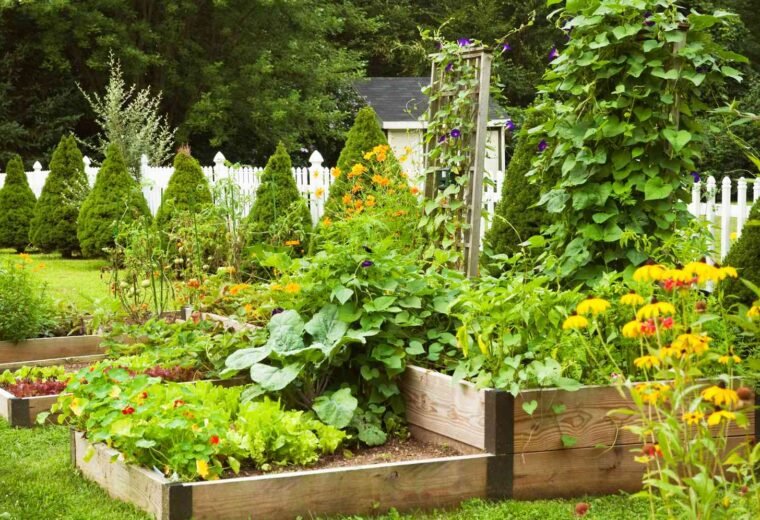
Raised beds and containers aren’t just for small spaces — they’re a maintenance shortcut in disguise. Better drainage, fewer weeds (soil-borne weed seeds rarely make it into a raised bed), and no bending over to ground level for every little task.
Some things worth knowing:
- Raised beds warm up faster in spring, so plants establish quicker
- Containers let you move plants around to chase or avoid sunlight as seasons change
- Self-watering containers exist and are worth the extra few hundred rupees if you travel often
Has this ever happened to you — you come back from a week-long trip and half your potted plants are dead? Self-watering containers solve that specific problem almost completely.
Hardscaping: Let Stone and Gravel Do Some of the Work
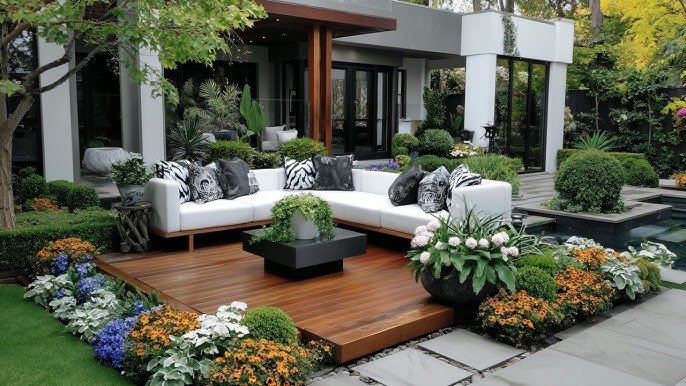
Not every square foot of your garden needs to be planted. Gravel paths, stone patios, and decorative rocks fill space beautifully without needing water, trimming, or really any attention at all.
Direct answer: Hardscaping elements like gravel, pavers, and stone borders reduce the total planted area in your low maintenance garden, cutting down on watering, weeding, and general upkeep while still keeping the space visually structured.
A well-placed gravel path also solves a practical problem: mud. Anyone who’s dealt with a garden that turns into a swamp every monsoon knows exactly what I mean.
Automate What You Can
Beyond drip irrigation, there’s a decent amount of small-scale automation available now that wasn’t common even a few years back — smart sprinkler timers, moisture sensors that alert your phone, solar-powered garden lights that need zero wiring.
None of this is essential, but it does add up. A ₹2,000 smart timer that waters your garden at 6 AM every other day, rain or shine (well, it should skip rainy days if it’s a smarter model), removes one more thing from your mental to-do list.
Plan for Seasonal Low-Effort Color
You don’t need year-round blooms to have a garden that looks alive. A few seasonal bursts of color, well-timed, go a long way — and they’re far less work than trying to maintain flowering plants twelve months a year.
Marigolds before Diwali, zinnias through the summer, a few pots of petunias in winter — rotate these in and out instead of trying to keep everything blooming simultaneously. It’s less pressure on you and honestly looks more intentional too.
[link to related article on seasonal flowering plants for Indian gardens here]
FAQ: Common Questions About Low Maintenance Gardens
What is the easiest plant to grow with no maintenance? Money plant (Pothos) and aloe vera are about as close to “no maintenance” as real plants get. Both tolerate irregular watering and don’t need much sunlight to survive.
How much time does a low maintenance garden actually save? Depends on the size, but most homeowners who switch from a traditional lawn-and-flowerbed setup to groundcover, mulch, and drip irrigation report cutting weekly garden time by 50-70%.
Do low maintenance gardens cost more upfront? Sometimes, yes — drip irrigation and raised beds have an initial cost. But you’ll spend less over time on replacement plants, water bills, and your own labor, so it usually balances out within a year or two.
Can I convert an existing high-maintenance garden without starting over? Absolutely. Start with mulching and swap out one problem area at a time — maybe the lawn first, then add drip irrigation. No need to redo everything in one weekend.
What’s the best groundcover for Indian climates? Dwarf mondo grass handles heat and partial shade well, and clover works nicely in cooler regions or hill stations. Test a small patch first since local soil conditions vary quite a bit.
Do I still need a gardener with a low maintenance setup? Probably not weekly. Many homeowners switch to a once-a-month check-in visit instead of regular upkeep, which cuts that cost significantly too.
Final Thoughts
A garden that looks good without eating up your weekends isn’t some unicorn — it just takes a bit of upfront planning. Pick the right plants, mulch religiously, cut down your lawn area, and let irrigation run on autopilot. That’s really most of it.
Start small if the whole thing feels like a lot. Redo one corner of your garden this month using two or three of these low maintenance garden ideas, see how it feels after a few weeks, then expand from there. Your weekends — and your water bill — will thank you.