So you’ve decided you want fresh tomatoes without the weekly trip to the sabzi mandi. Good instinct. Learning how to start a vegetable garden at home feels intimidating at first — soil types, sunlight hours, pest control, it’s a lot to take in. But here’s the thing: most beginners overthink it.
I killed three batches of coriander before I figured out the basics. Turns out I was overwatering, not underwatering, which is the opposite of what I assumed. That’s kind of the point of this guide — to save you a few rounds of trial and error.
By the end of this, you’ll have a real plan, not just a vague idea to “grow some vegetables someday.”
Why Growing Your Own Vegetables Actually Makes Sense
Direct answer: Starting a home vegetable garden saves money over time, gives you pesticide-free produce, and takes up surprisingly little space — even a balcony with 4-5 hours of sun can support a decent mini garden.
Beyond the obvious savings, there’s something satisfying about eating a tomato you grew yourself. It tastes different. I’m not sure if that’s psychological or if store-bought produce really is that much blander, but either way, it works.
Financially, it adds up too. A single chili plant can produce for 6-8 months. A packet of seeds costs ₹20-40 and can outproduce ₹500 worth of store-bought vegetables over a season, depending on what you grow.
Pick the Right Spot Before You Buy Anything
This is the step everyone skips, and it’s the one that determines whether your garden survives past week three.
Most vegetables need at least 5-6 hours of direct sunlight daily. Leafy greens can get by with less — 3-4 hours is often fine for spinach or lettuce — but tomatoes, chilies, and brinjal are sun-hungry and will sulk in shade.
A few things to check before committing to a spot:
- How many hours of direct sun does it actually get? (Track it for a day, don’t guess)
- Is there a water source nearby, or will you be carrying buckets across the house?
- Does the area flood or pool water during monsoon?
- Is it accessible enough that you’ll actually visit it daily? A garden tucked behind the water tank rarely gets tended.
Balconies facing east or south tend to work best in most Indian cities. West-facing spots get brutal afternoon heat that can scorch young seedlings.
Choose Beginner-Friendly Vegetables First
Direct answer: The easiest vegetables for beginners starting a home vegetable garden are chilies, tomatoes, spinach, fenugreek (methi), and radish — all forgiving of minor mistakes and quick to show results, often within 3-4 weeks.
Don’t start with cauliflower or broccoli. I made that mistake in my first year and got nothing but disappointment and some very sad-looking stalks.
Good starter picks:
- Chilies — nearly indestructible, produces for months
- Cherry tomatoes — more forgiving than the bigger varieties
- Spinach and methi — fast-growing, ready to harvest in under a month
- Radish — one of the quickest vegetables you can grow, some varieties are ready in 25-30 days
- Coriander — easy once you stop overwatering it (learn from my mistake)
Save the fussier vegetables — cauliflower, cabbage, capsicum — for your second or third attempt, once you’ve got a feel for how your specific space behaves.
Get the Soil Right (It Matters More Than You Think)
Most beginner garden failures trace back to soil, not seeds. People blame the seed packet when really the soil was the problem all along.
A good basic mix for containers is roughly 40% garden soil, 30% compost or cocopeat, and 30% sand for drainage. This isn’t an exact science, but it’s a solid starting ratio that works across most vegetables.
Store-bought potting mix works fine too if you don’t want to bother mixing your own — expect to pay somewhere around ₹150-300 for a decent-sized bag.
A quick soil test you can do at home: grab a handful of moist soil and squeeze it. If it holds together in a solid clump and doesn’t crumble at all, it’s got too much clay. If it falls apart instantly, it’s likely too sandy. You want something in between — holds shape loosely, then crumbles when poked.
[link to related guide on soil preparation for container gardening here]
Containers vs. Raised Beds vs. Ground Planting
Not everyone has a backyard, and that’s fine. Plenty of people successfully start a vegetable garden at home using nothing but a balcony and a few containers.
Containers work well if:
- You’re renting and might move
- Your outdoor space is limited to a balcony or terrace
- You want flexibility to reposition plants as sunlight shifts through the seasons
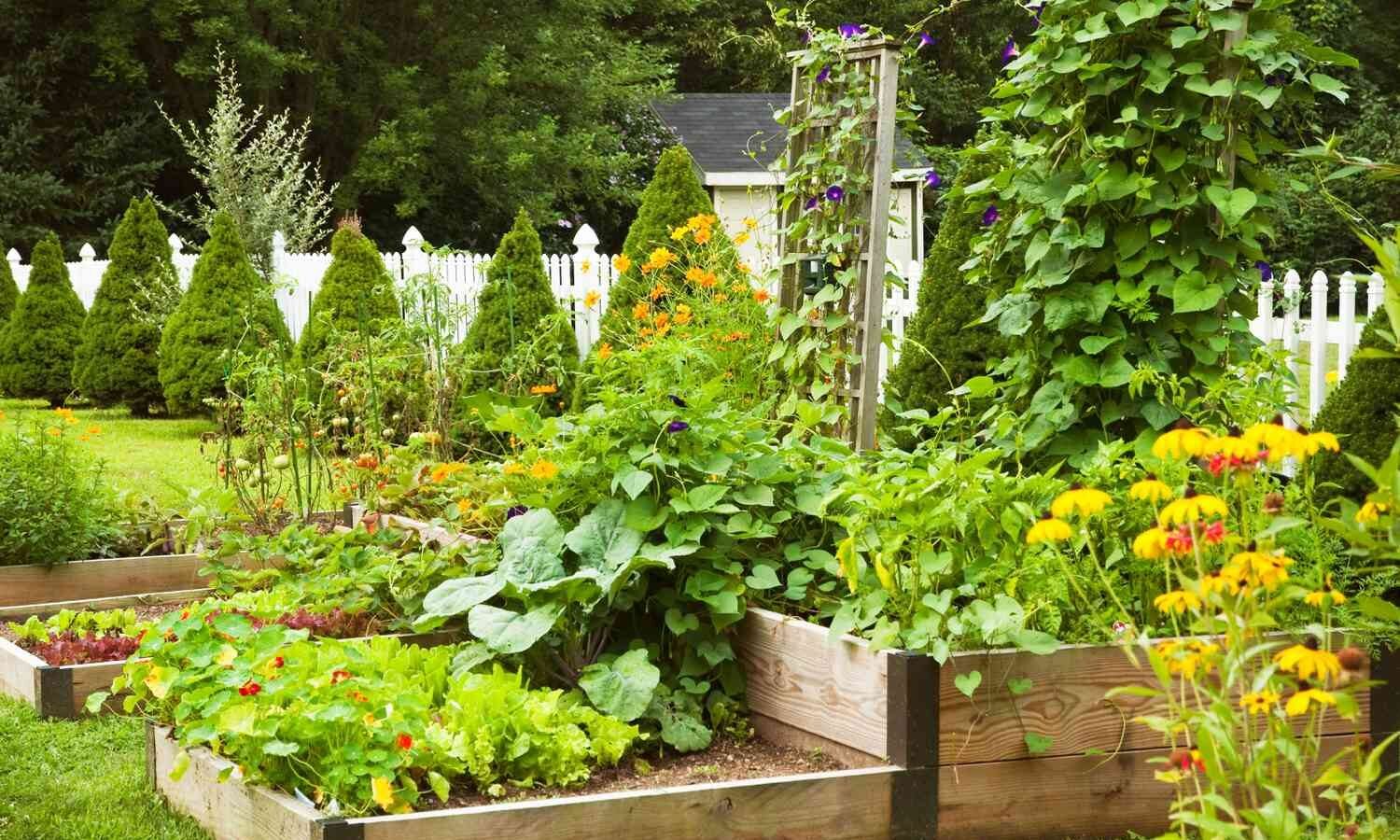
Raised beds make more sense if you’ve got actual ground space and plan to garden long-term. They drain better than ground soil and keep things tidier, though they do cost more upfront to set up — figure ₹2,000-5,000 depending on size and materials.
Ground planting is the cheapest option but comes with more weed pressure and less control over soil quality, especially if the existing soil isn’t great to begin with.
Picture a young couple in a Bengaluru apartment — no yard, just a decent-sized balcony. They started with six pots: two tomato, two chili, two spinach. Within two months they were harvesting enough spinach for a sabzi every week. That’s realistic for most beginners, not some exaggerated success story.
Watering: Less Is Usually More
This surprises people, but overwatering kills more home vegetable gardens than underwatering does. Roots need oxygen too, and waterlogged soil suffocates them.
A general rule: stick a finger into the soil about an inch deep. If it’s still moist, skip watering that day. Most vegetables in containers need watering every 1-2 days in summer, less often during monsoon (obviously), and even less in cooler months.
Signs you’re overdoing it:
- Yellowing leaves that fall off even though the soil feels wet
- A musty smell from the pot
- Fungus gnats hovering around the soil surface
Signs you’re underdoing it:
- Wilting that recovers quickly once watered
- Dry, crumbly soil that pulls away from the pot edges
Has your plant ever looked sad no matter how much you watered it? Check the drainage holes first — a blocked pot will waterlog no matter how carefully you’re watering.
Dealing With Pests Without Going Overboard
You will get pests. Everyone does, no matter how careful you are. The goal isn’t zero pests — it’s keeping them manageable.
Neem oil spray is the go-to for a reason — it’s cheap, widely available, and handles most common issues like aphids and whiteflies without harsh chemicals. Mix about 2 teaspoons of neem oil with a liter of water and a few drops of dish soap, then spray weekly, more often if the problem’s serious.
Companion planting also helps more than people expect:
- Marigolds planted near tomatoes discourage certain pests
- Basil next to chilies is said to improve flavor and repel some insects (the science on this is mixed, honestly, but it hasn’t hurt anything for me)
- Mint deters ants, though keep it contained — it spreads aggressively and will take over a shared bed
If an infestation gets bad, don’t panic and reach for the strongest pesticide you can find. Start with the mildest intervention and escalate only if needed.
Set a Realistic Maintenance Routine
A vegetable garden isn’t a one-time project — it’s an ongoing small commitment, roughly 15-20 minutes a day once it’s established.
Direct answer: A basic home vegetable garden needs daily watering checks, weekly pest inspection, and monthly feeding with compost or organic fertilizer — nothing complicated, just consistency over time.
A simple weekly rhythm that works for most beginners:
- Daily: quick check for wilting, pests, or watering needs (2-3 minutes, genuinely)
- Weekly: neem oil spray if needed, remove any yellowing leaves
- Every 2 weeks: light feeding with compost or diluted organic fertilizer
- Monthly: check if any plants have outgrown their pots and need repotting
Consistency beats intensity here. Fifteen minutes daily works far better than a two-hour garden overhaul once a month.
FAQ: Common Questions About Starting a Vegetable Garden
How much space do I need to start a vegetable garden at home? Not much, honestly. A few containers on a sunny balcony (say, 15-20 square feet total) is enough to grow chilies, tomatoes, and leafy greens comfortably.
What’s the cheapest way to start a vegetable garden? Reuse containers you already have — old buckets, paint cans, even large plastic bottles cut in half — instead of buying new pots. Combined with homemade compost, you can start for well under ₹500.
How long before I see results? Leafy greens like spinach and methi are ready in 25-30 days. Fruiting vegetables like tomatoes and chilies take longer, usually 60-90 days before your first real harvest.
Do I need special soil or can I use garden soil directly? Plain garden soil often compacts too much in containers. Mixing it with compost and sand improves drainage and gives roots room to breathe.
Can I start a vegetable garden indoors without a balcony? It’s harder, but not impossible. Look for a well-lit window (south-facing works best) and stick to shade-tolerant vegetables like herbs or microgreens rather than sun-loving ones.
How do I know if my vegetables are getting enough sunlight? Leggy, stretched-out stems reaching toward the light source are a clear sign of insufficient sun. Healthy plants tend to stay compact with sturdy stems.
Conclusion
Starting a vegetable garden at home isn’t about having a farm’s worth of knowledge on day one. Pick a sunny spot, start with forgiving vegetables like chilies and spinach, get your soil ratio roughly right, and don’t overwater. That’s genuinely most of what you need to know to begin.
Don’t wait for the “perfect” setup either — a few pots and a sunny corner are enough to get moving this week. Plant something small today, even one pot of chilies, and build from there once you see it actually working.
[link to related guide on composting at home for beginners here]