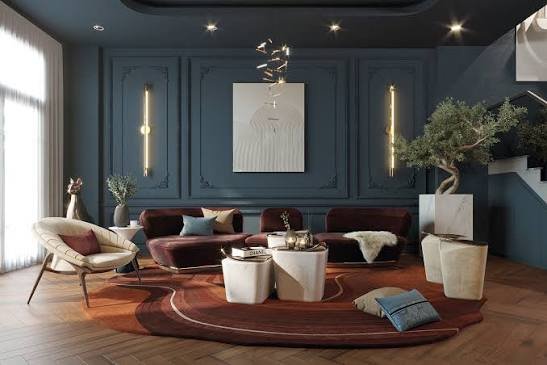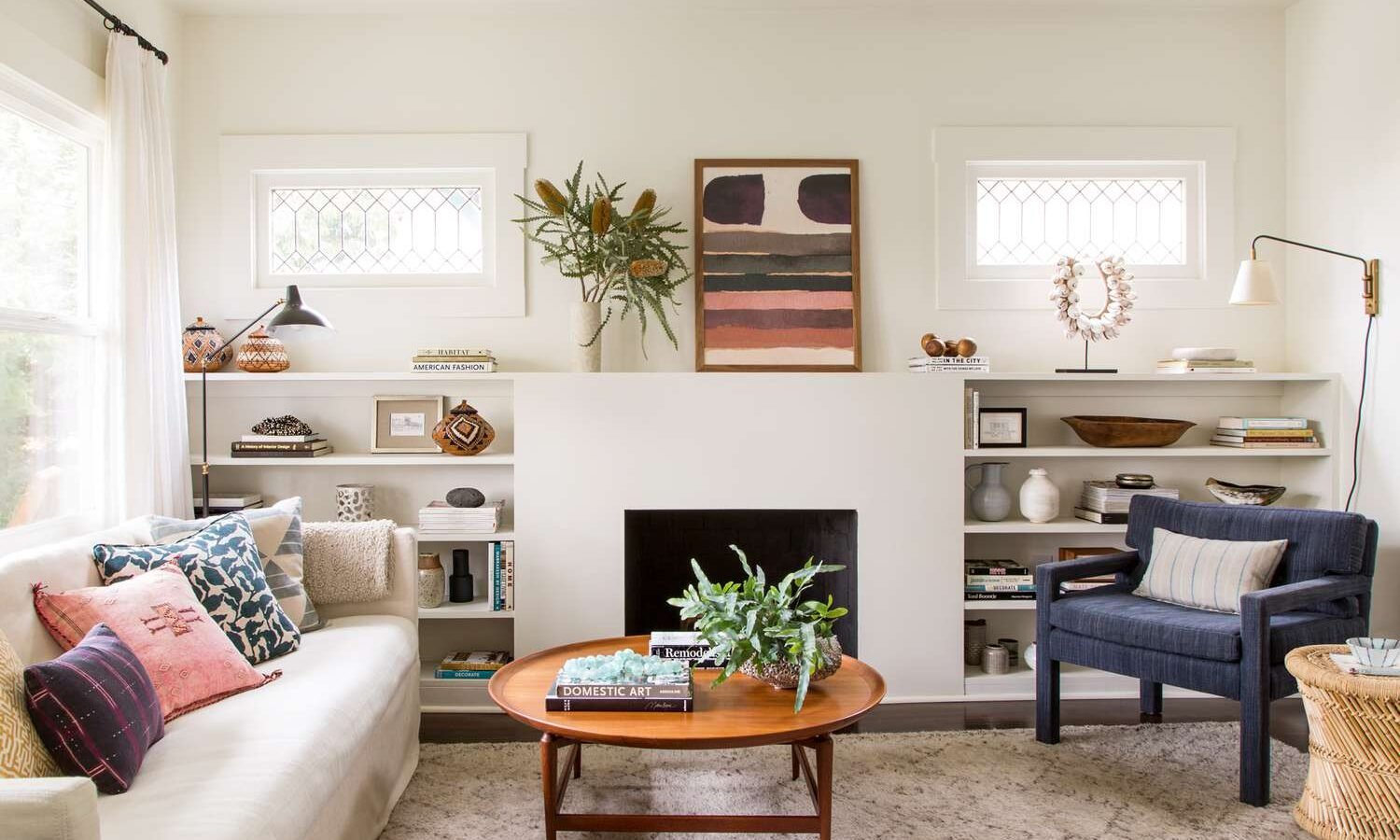
Ever walked into a friend’s rented 1BHK and wondered how it looks like something out of a magazine, when you know their salary isn’t that different from yours? I’ve been there. For years I assumed good decor meant good money. Then I actually started paying attention to what makes a home look “expensive,” and honestly, it’s rarely the price tag. It’s proportion, lighting, and a handful of smart choices repeated consistently. These budget home decorating ideas are the ones I’ve picked up (and sometimes learned the hard way) while decorating three different rented apartments on a modest budget.
If you’re tired of Pinterest boards that assume you have ₹2 lakh lying around, this one’s for you. Everything here is doable in 2026 without touching your savings account.
Why Expensive-Looking Homes Aren’t Actually That Expensive
Here’s the direct answer: homes look expensive because of consistency, not cost — matching metal finishes, controlled color palettes, good lighting, and negative space matter far more than how much any single item costs. A ₹500 vase placed well beats a ₹5,000 one placed badly.
I used to think designers had some secret sauce. Turns out the “secret” is restraint. Cheap decor looks cheap when it’s a mismatched pile of stuff bought on impulse — one gold frame here, a silver lamp there, a rug that fights with the curtains. Expensive decor looks expensive because someone made deliberate choices and stuck with them.
This is genuinely good news for anyone doing budget home decorating. It means the lever you need to pull isn’t your wallet. It’s discipline.
Start With a Tight Color Palette (Seriously, This Changes Everything)
Pick three colors. Maybe four if you’re feeling brave. One neutral base (white, beige, or grey), one deeper accent (navy, forest green, terracotta), and one metal tone for hardware and frames.
I made the mistake of ignoring this in my first apartment. Blue curtains, a green sofa cushion, brass photo frames, and a rose-gold lamp — all bought separately, all “on sale,” none of it working together. It looked like a clearance sale, not a home.
A few practical steps:
- Walk through your current space and note every color already present — walls, existing furniture, flooring.
- Pick your three-color palette based on what you can’t easily change (usually the wall color or flooring).
- Apply this palette to new purchases only. Don’t feel pressured to replace everything at once.
- When buying cushions, curtains, or throws, always cross-check against your palette photo on your phone before paying.
This single habit is probably the cheapest, highest-impact thing you can do. It costs nothing and instantly makes a room look pulled-together rather than accumulated.
Layer Your Lighting Instead of Relying on One Tube Light
Budget home decorating ideas almost always mention lighting, and for good reason — most Indian homes rely on a single harsh ceiling tube light or a cool-white LED panel that flattens everything and makes even nice furniture look washed out.
Layered lighting means at least three light sources in a living room: an overhead light, a floor or table lamp, and something smaller like fairy lights or a wall sconce. Switch to warm white (2700K–3000K) bulbs wherever you can — this alone changes the entire mood of a room for under ₹300 per bulb.
A friend of mine in Jaipur runs a small boutique from her home, and she swapped her cold white tubelight for two warm lamps positioned in the corners. Customers started commenting on how “cozy” the space felt — she hadn’t changed a single piece of furniture. Just the light.
Try this:
- Turn off your main light one evening and see how the room feels with just a lamp on.
- Notice which corners go completely dark — that’s where you need a light source.
- Buy one warm-toned floor lamp (₹800–1,500 range works fine) and place it in that dead corner.
Use Mirrors to Fake Square Footage and Add Shine
A large mirror does two jobs at once: it bounces light around the room, and it makes a small space feel noticeably bigger. This is one of those tricks interior designers use constantly, and it’s genuinely cheap compared to almost anything else on this list.
Place a mirror directly across from a window if you can — it reflects daylight deeper into the room. In a hallway or entryway, a mirror does double duty as both decor and a last-look-before-leaving spot.
A few things I’ve learned through trial and error:
- Full-length mirrors (₹1,000–2,500) create more drama than small decorative ones.
- Avoid clustering multiple small mirrors unless you’re going for a gallery-wall look on purpose.
- Gold or black frames tend to look more “designed” than plain unframed glass.
Not every mirror purchase works out, though. I once bought a heavily ornate silver mirror thinking it’d look grand — it just looked out of place next to my simple furniture. Match the frame finish to your existing hardware (door handles, light fixtures) and you’ll avoid this.
Swap Hardware Before You Swap Furniture
Small Changes, Big Perception Shift
Here’s something most people overlook: cabinet handles, doorknobs, curtain rods, and switchboard plates are touched and seen constantly, yet they’re usually the last thing anyone thinks to update.
Replacing tube-style cabinet handles with brushed brass or matte black ones can transform a kitchen or wardrobe for a few hundred rupees per piece. It’s a weekend project, not a renovation.
I did this in my kitchen last year — just the handles, nothing else — and my mother, who’s seen that kitchen dozens of times, actually asked if I’d gotten new cabinets. I hadn’t. Same cabinets, different handles.
Where to focus this budget:
- Kitchen cabinet and drawer handles
- Bathroom fittings if your landlord allows changes
- Curtain rods (a plain steel rod swapped for a black or brass one instantly looks pricier)
- Switchboard covers, especially in living rooms where guests actually notice them
Bring in Texture With Textiles, Not Just Objects
A room full of hard, smooth surfaces — laminate furniture, tile floors, glass tabletops — reads as cold no matter how nice the individual pieces are. Texture is what softens that and makes a space feel inhabited rather than showroom-staged.
This doesn’t mean buying more stuff. It means choosing the right kind of stuff.
- A jute or cotton rug (₹1,200–3,000 depending on size) adds warmth instantly, especially on tile floors.
- Woven cushion covers, even two or three scattered on a plain sofa, break up flatness.
- A chunky knit throw draped over the arm of a chair — not folded neatly, just tossed there — looks lived-in in a good way.
- Rattan or cane baskets used for storage double as texture and hide clutter simultaneously.
[link to related guide about choosing the right rug size here]
Has this ever happened to you — you buy a rug, and somehow the room looks worse? Usually it’s a size issue. A rug that’s too small makes furniture look like it’s floating on an island. As a rough rule, your rug should extend at least under the front legs of your sofa and chairs.
Rearrange Before You Buy Anything New
I’ll be honest — this is the section people skip because it feels too simple to matter. But rearranging what you already own, based on better spacing and sightlines, often does more than any purchase.
Furniture pushed flat against every wall is the single most common layout mistake I see. It creates a big empty “dead zone” in the middle of the room and makes conversation awkward. Pulling your sofa even 20-30 cm away from the wall, and angling a chair toward it instead of parallel, creates the kind of intentional layout you see in showrooms.
Quick things to try this weekend:
- Remove one piece of furniture entirely from the room (even temporarily) and see if the space breathes better.
- Create at least one clear “walking path” through the room instead of forcing people to squeeze past things.
- Group furniture in conversation clusters rather than lining everything against the walls.
None of this costs a rupee. It just takes an afternoon and a willingness to move a heavy sofa more than once.
Add Greenery — But Choose Plants That Actually Survive
Plants make a home feel expensive because they signal ongoing care — someone is maintaining this space, not just decorating it once and forgetting about it. But dead or dying plants do the opposite, so pick things that survive Indian apartment conditions, especially if natural light is limited.
Money plant, snake plant, and ZZ plant are close to unkillable and cost ₹100–300 at most local nurseries. Group three plants of varying heights together rather than scattering single pots randomly — it reads as intentional styling instead of an afterthought.
A cheap terracotta or cement pot (₹80–200) usually looks more upscale than a shiny plastic one, oddly enough. If budget allows, spray-paint a few plain pots in your chosen color palette from earlier in this article.
Frame What You Already Have
Empty walls are one of the biggest giveaways of an unfinished-feeling home, and framed art doesn’t have to mean expensive originals. Printable art, old family photographs, fabric swatches, even a child’s drawing — all of it looks intentional once it’s behind a matching frame.
Buy 3-4 identical frames (same color, same style) rather than mismatched ones from different sales. Consistency here matters more than the content inside the frame. A gallery wall of five or six frames, evenly spaced with consistent gaps, looks curated. The same frames scattered randomly with different gaps looks messy.
[link to related guide about creating a gallery wall on a budget here]
I’ll admit, I disagree with a lot of “decor gurus” who push expensive framed prints. Some of my favorite framed pieces are photocopies of old family photos from my grandmother’s album, printed at a local shop for ₹20 each and put in a ₹150 frame from a local frame-maker.
Frequently Asked Questions
Is it really possible to decorate a home on a small budget in India? Yes, and honestly, budget constraints often push people toward better design decisions because they can’t just buy their way out of a bad layout. Focus on color consistency, lighting, and rearranging first — those cost nothing or very little.
What’s the single best cheap upgrade for a rented apartment? Lighting, hands down. Swapping harsh white bulbs for warm-toned ones is one of the cheapest budget home decorating ideas and changes how the entire home feels within minutes.
How much should I budget for decorating one room affordably? Somewhere between ₹3,000 and ₹8,000 can meaningfully transform a room if you’re strategic — a rug, a lamp, some cushion covers, and a couple of plants generally covers it.
Can I decorate without damaging rented walls? Yes. Use adhesive hooks and strips instead of nails, lean large mirrors or art against the wall rather than hanging them, and rely on furniture placement and textiles rather than paint or wallpaper.
Where should I shop for cheap decor items in India? Local markets (Sadar Bazaar-type wholesale areas exist in most cities), Nykaa Fashion Home, Pepperfry’s sale section, and even Facebook Marketplace or OLX for secondhand furniture in good condition all work well.
Do I need to hire an interior designer for my home to look put-together? Not for a small home or single-room refresh. A designer helps with major renovations, but most of the ideas here — color palettes, lighting, rearranging — don’t need professional help at all.
Final Thoughts
Making a home feel expensive isn’t really about spending more. It’s about spending smarter — a tighter color palette, better lighting, a well-placed mirror, and furniture that isn’t pushed flat against every wall. Most of what separates a “designer” home from a budget one comes down to consistency and intention, not the size of the bill.
Pick just one idea from this list and try it this weekend — maybe it’s swapping your bulbs, maybe it’s finally moving that sofa away from the wall. Small changes add up faster than you’d expect, and by the time you’re done, you might just find yourself giving decor advice to friends