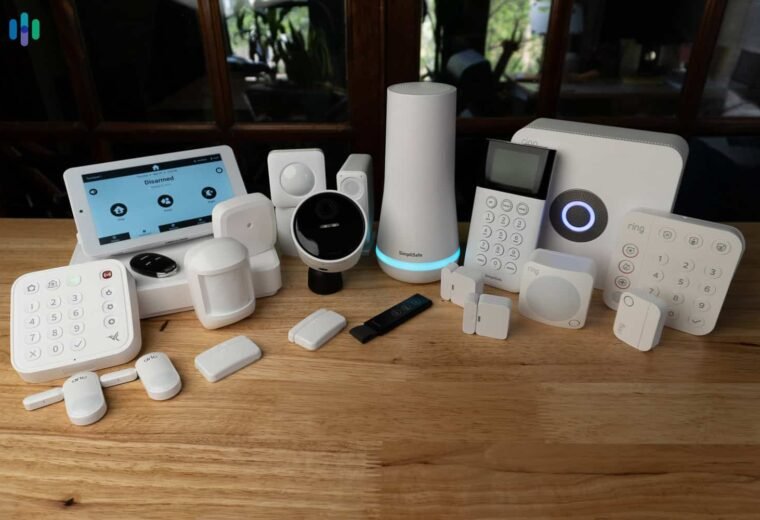
Not everyone wants to spend ₹20,000 on cameras and sensors. Some people rent. Some people just moved in and haven’t got around to it. Some genuinely think alarm systems are overkill for their neighborhood. Fair enough — home security without alarm systems is completely doable, and honestly, a lot of it comes down to habits rather than hardware.
I say this having grown up in a house that never had a single camera or alarm panel until 2019. We were fine. Not because we got lucky, but because my father was borderline obsessive about locking gates, checking windows, and knowing every neighbor by name. That’s the real secret nobody wants to hear — most break-ins aren’t foiled by tech. They’re foiled by a house that simply doesn’t look like an easy target.
Why You Don’t Always Need an Alarm System
Home security without alarm systems relies on visible deterrence, strong locks, community awareness, and disciplined habits rather than electronics. Burglars look for the path of least resistance — remove that, and you’ve solved most of the problem, no monitoring subscription required.
Here’s something worth thinking about: most residential burglaries aren’t planned heists. They’re opportunistic. Someone notices an unlocked gate, a dark house, or an open window and takes a five-minute chance. Take away the opportunity, and the alarm system becomes almost irrelevant.
I’ve noticed a lot of security marketing preys on fear rather than facts. It’s not that alarms don’t help — they do — but a house with strong locks, decent lighting, and a nosy neighbor watching the street is already ahead of most homes with a fancy camera nobody checks.
Reinforce Your Doors and Windows First
Before anything else, look at your entry points. This is the single most underrated step, and people skip it constantly.
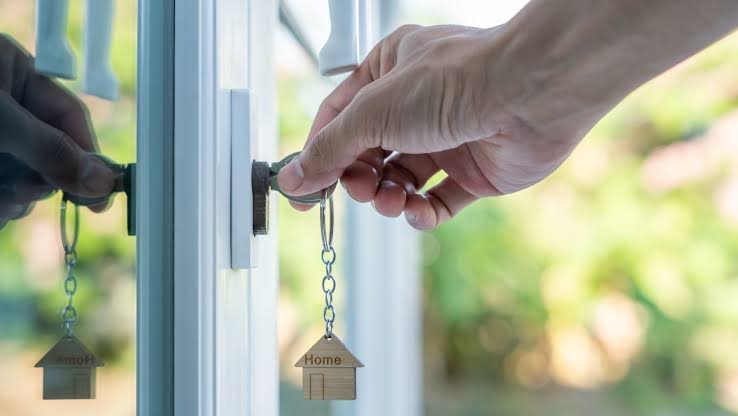
- Install a deadbolt lock in addition to the standard latch — adds real resistance against forced entry
- Check window latches; older buildings especially tend to have weak or rusted ones
- Add a door jammer or floor bolt for extra resistance on the main door at night
- If you have a grille door (common in Indian flats), make sure the padlock isn’t a cheap ₹150 one — spend the extra money here
Picture a small business owner in Jaipur who runs a shop till late and comes home well after dark. His biggest risk isn’t some sophisticated thief — it’s the simple fact that his main gate lock is 12 years old and sticks half the time, so he’s started leaving it just latched, not locked, out of sheer laziness. That’s the exact gap burglars look for. Fixing that lock costs less than a single dinner out, yet it’s the thing most people put off longest.
Use Lighting Strategically
Well-placed outdoor lighting, especially motion-activated lights near entry points, is one of the cheapest and most effective ways to deter burglars without any alarm system. A dark porch practically invites someone to linger; a lit one doesn’t.
Motion-sensor lights are dirt cheap now — you can find decent solar-powered ones for under ₹500 a piece on Amazon or at a local hardware store. Put one near the main gate, one near any side entrance, and one covering the parking area if you have a driveway.
Don’t ignore indoor lighting either. A timer switch on a living room lamp, set to turn on around dusk, makes an empty house look occupied. It’s an old trick, sure, but it still works — because most burglars aren’t casing your house for three weeks, they’re glancing at it for three seconds while walking past.
Use up and down arrow keys to resize the meta box pane.
Build Relationships With Your Neighbors
This one’s underrated and, frankly, a bit old-fashioned — but it works better than half the gadgets people buy.
A street where neighbors actually talk to each other, notice unfamiliar faces, and text each other about a suspicious car parked outside is a genuinely hard target. Compare that to a street of strangers who don’t even know who lives two houses down. Which one would you pick if you were casing homes?
- Exchange phone numbers with at least two or three neighbors
- Ask a trusted neighbor to keep an eye on your place when you travel — collect newspapers, switch on a light in the evening
- Join your housing society’s WhatsApp group if there is one; these groups genuinely catch a lot of suspicious activity fast
- If you notice something odd, say something — most people stay quiet out of awkwardness, and that silence helps nobody
Has this ever happened to you — you noticed something slightly off outside but didn’t want to seem paranoid, so you said nothing? I’ve done that too. It’s the wrong instinct. A quick message in the society group costs nothing.
Get a Dog (Yes, Really)
I’ll be honest, this isn’t for everyone, and I’m not going to pretend a dog is a substitute for proper locks. But a dog — even a small, not particularly fierce one — is one of the most effective deterrents there is. Burglars avoid houses with dogs almost universally, mostly because barking draws attention fast, and nobody wants that kind of noise while breaking in.
You don’t need a German Shepherd. A loud, alert mid-sized dog does the job just as well, sometimes better, since bigger dogs can be lazier about barking at every little sound.
Fake Cameras and Signage (Use With Caution)
Cheap dummy cameras and “protected by security” stickers do have some deterrent value — but I’d rate this pretty low on the list, and here’s my honest opinion: a determined burglar can usually spot a fake camera within seconds. The blinking red LED, the awkward angle, the too-perfect placement — it’s a giveaway if someone’s paying attention.
Still, for the average opportunistic thief just glancing at your house? A sticker or a visible dummy camera adds a small extra layer of hesitation. Just don’t rely on it as your main strategy. Think of it as a cheap add-on, not a plan.
Keep Valuables Out of Sight and Split Up
Home security without alarm setups also means managing what a burglar sees and finds — keep valuables away from windows and don’t store everything valuable in one obvious place, like a bedroom drawer.
Simple habits here matter more than people think:
- Close curtains or blinds in rooms visible from the street, especially in the evening
- Don’t leave laptop bags, jewelry boxes, or cash visibly near windows
- Split cash and valuables across two locations instead of one obvious hiding spot
- Avoid posting real-time travel photos on public social media — save the album for after you’re back
[link to related guide about smart locks for Indian homes here]
Establish a Routine, Even When You’re Home
A house that looks lived-in and alert is naturally less appealing. This sounds obvious, but most people don’t actually practice it consistently.
Lock the main door even when you’re inside during the day — not just at night. Keep the gate latched, not just closed. If you’re away for a few days, ask someone to move your car slightly or park theirs in your spot, so the driveway doesn’t sit suspiciously empty. None of this costs money. It just needs consistency, which, honestly, is the hardest part.
[link to related guide on false alarm reduction and monitored systems here]
When You Might Still Want Some Tech (Without Full Monitoring)
You don’t need a monitored alarm to get some benefit from technology. A basic ₹1,500 wireless doorbell camera, a battery-powered door sensor that just beeps locally, or even a simple motion light with a built-in siren — these sit somewhere between “no tech at all” and a full monitored system, and for a lot of households, that middle ground is genuinely enough.
[link to related guide comparing DIY vs monitored home security systems here]
FAQs
Is it actually possible to secure a home without an alarm system? Yes, and a lot of it comes down to basics — strong locks, good lighting, alert neighbors, and disciplined habits like locking up even when you’re home. Most burglaries are opportunistic, so removing the easy opportunity does most of the work.
What’s the cheapest way to improve home security without alarm systems? Motion-sensor lights and a solid deadbolt lock are the best value for money — both cost under ₹1,000 combined in most cases and address the two biggest vulnerabilities: dark entry points and weak locks.
Do fake security cameras actually work? They help a little against casual, opportunistic burglars, but a patient or experienced one can usually tell within seconds. Don’t rely on them as your only line of defense.
Does having a dog really reduce burglary risk? Yes, quite significantly. Even a small, alert dog that barks at unfamiliar sounds is a strong deterrent, since noise and attention are exactly what most burglars want to avoid.
How important is lighting for home security? More than most people realize. Burglars generally avoid well-lit entry points because they increase the chance of being seen by neighbors or passersby. Motion-activated lights are cheap and effective.
Can neighbors really help prevent break-ins? Absolutely — a street where people know each other and notice unfamiliar faces or cars is a much harder target than one where everyone keeps to themselves. Housing society WhatsApp groups have genuinely helped catch suspicious activity early in a lot of cases.
Conclusion
You don’t need a monitored panel and a monthly subscription to make your home genuinely harder to break into. Home security without alarm systems comes down to a handful of unglamorous habits — solid locks, good lighting, knowing your neighbors, and not advertising an empty house on social media. None of it is complicated. Most of it is free or nearly free.
Start with the cheapest, highest-impact fix tonight: check your main door lock and put one motion light near your entrance. Build from there as time and budget allow — you don’t have to do everything at once to make a real difference.