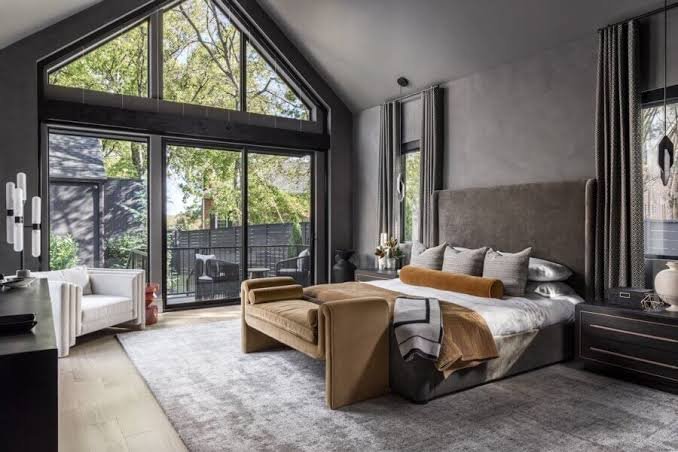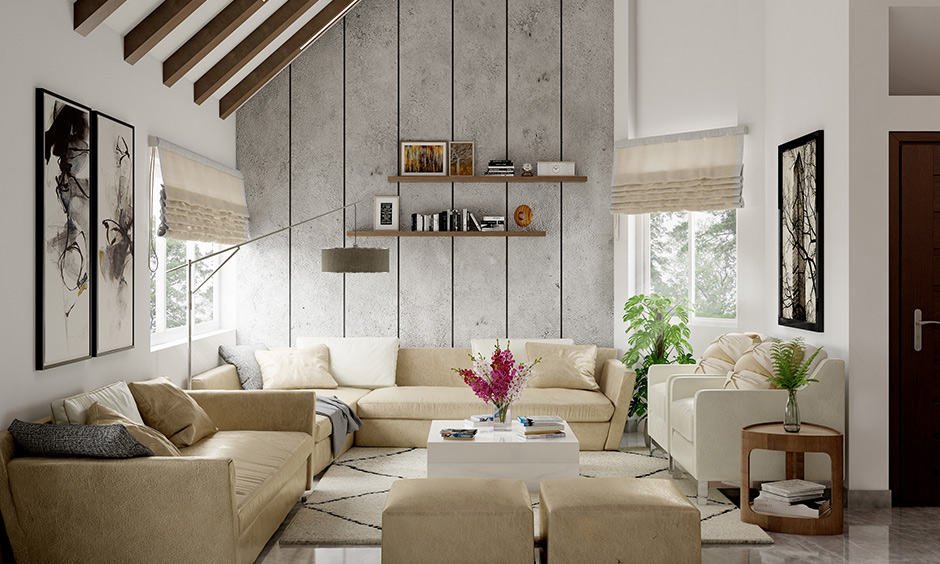
You know the feeling. You walk into a beautifully styled living room and think, that’s gorgeous, but I could never actually relax on that sofa. Or the opposite — a room so soft and cluttered it just looks messy in photos. Finding good living room design ideas that balance both is trickier than it sounds, and most advice online picks one side and ignores the other.
Here’s the thing: cozy and stylish aren’t opposites. They just need to be handled in the right order. Get the bones of the room right first, then layer in the comfort. Do it backwards and you end up with either a showroom or a pile of cushions.
I’ve put together the approach that’s actually worked in real homes, not just on mood boards.
Start With the Layout, Not the Sofa
Most people jump straight to furniture shopping, and that’s honestly where things go wrong. Living room design ideas need to start with how people actually move through the room, not what looks good in a catalogue photo.
Before buying anything, walk your room empty. Notice where the light comes in. Notice the door swing, the TV wall, where people naturally sit when they visit. A sofa facing away from the main window wastes the best light in the house — I see this mistake constantly, even in otherwise well-decorated homes.
A few layout basics that hold up in almost any room size:
- Leave at least 90cm of walkway space around main furniture pieces
- Float furniture away from walls if the room’s bigger than 150 sq ft — pushing everything to the edges makes a room feel emptier, not bigger
- Anchor the seating area with a rug, even a modest one, rather than letting furniture float on bare floor
Get this part right and everything you add later works harder for you.
Quick Answer: Where should I start when designing a living room?
Start with layout, not decor. Map furniture around natural light, walkways, and the room’s focal point (TV, window, or fireplace) before choosing sofas, colours, or accessories. A well-planned layout makes even simple furniture look intentional.
Pick One Focal Point and Build Around It
A room without a clear focal point tends to feel busy, even when nothing in it is objectionably ugly. Your eye just doesn’t know where to land.
It could be a window with a good view, a media wall, an accent wall in a bold colour, or even a large piece of art. Pick one. Everything else in the room should support it, not compete with it.
Picture a young couple furnishing their first flat in Pune on a tight budget. They couldn’t afford custom furniture, so they picked one thing to invest in — a deep green accent wall behind the sofa — and kept everything else simple: a plain grey sofa, a jute rug, basic curtains. The room reads as designed, even though most of it cost very little. That’s the power of a single focal point done well.
If you’re stuck picking one, ask yourself what you’d photograph first when showing someone the room. That’s usually your answer.
Choose a Colour Palette That Can Do Both Jobs
This is where most living room design ideas fall apart. People either go too neutral (safe, but cold) or too bold (interesting, but hard to relax in). The trick is a base of warm neutrals with one or two saturated accent colours.
Think of it like a wardrobe. You don’t wear five bold patterns at once — you wear one statement piece with neutrals around it. Rooms work the same way.
A palette that tends to work well for both comfort and style:
- A warm neutral base — think oatmeal, warm grey, or sandy beige, not stark white
- One deeper accent colour — terracotta, forest green, or navy, used on a wall, sofa, or rug
- A metal accent — brass or matte black hardware ties the whole thing together
I’ll be honest, I used to be firmly team all-neutral. Cleaner, easier, less risk of it dating badly. But after seeing how flat some all-beige rooms look in person versus photos, I’ve come around to at least one strong accent colour being worth the risk.
Layer Textures So the Room Doesn’t Feel Flat
Colour gets all the attention, but texture is what actually makes a room feel warm. A room in three shades of the same neutral can feel rich if the textures vary — and can feel like a hospital waiting room if they don’t.
Has this ever happened to you — a room that looks perfect in a photo but feels a little cold when you’re actually sitting in it? Nine times out of ten, that’s a texture problem.
Mix at least three textures in your main seating area:
- A soft, tactile fabric — bouclé, linen, or a chunky knit throw
- Something natural and raw — jute, rattan, or unfinished wood
- One smooth or reflective surface to balance it — glass, brass, or polished stone
Even a plain grey sofa looks completely different with a linen throw, two textured cushions, and a rattan side table next to it, compared to sitting bare against a bare wall.
Lighting: The Most Underrated Part of Living Room Design Ideas
Most Indian living rooms rely on a single ceiling light, and it shows. A room lit entirely from above tends to feel flat and a bit clinical, no matter how nice the furniture is.
Living room design ideas that actually feel cozy almost always use layered lighting — meaning light coming from more than one height and source.
Aim for at least three light sources in your main living space:
- Overhead or ceiling light for general brightness
- A floor lamp or table lamp at seated eye level, for evening warmth
- Accent lighting — a wall sconce, LED strip, or even a couple of candles — for texture and mood
Warm white bulbs (around 2700K–3000K) make a much bigger difference than people expect. Cool white bulbs, the kind common in a lot of Indian homes, tend to make even a nicely furnished room feel a bit like an office.
Quick Answer: How many light sources does a living room need?
A cozy, well-designed living room needs at least three light sources at different heights — an overhead fixture, a lamp at seated eye level, and one accent light. Layered lighting does more for warmth than furniture or colour alone.
Furniture Choices: Comfort First, Then Shape
Style-first furniture shopping is a trap. A gorgeous sofa that nobody wants to sit on for more than twenty minutes isn’t doing its job, no matter how well it photographs.
That doesn’t mean ignore looks entirely — it means test comfort first, then judge the shape and fabric. Sit on it. Actually sit, for a few minutes, the way you would watching a movie.
A few practical notes worth knowing before you shop:
- Deep-seat sofas (around 60-65cm seat depth) suit lounging; shallower seats suit upright sitting and small spaces
- Bouclé and chenille fabrics feel cozier than leather but need more upkeep in humid Indian climates
- Curved or rounded furniture softens small rooms better than sharp rectangular pieces
- [link to related guide on choosing the right sofa fabric here]
If budget’s tight, spend more on the sofa and less on side tables and decor — the sofa is what everyone actually touches and sits on daily.
Don’t Skip the Small Stuff: Cushions, Throws, and Rugs
This is the cheapest, fastest way to shift a room’s whole feel, and it’s the one people underestimate the most. A rug alone can make a room look 30% more finished, even with the same furniture.
[link to related guide on layering rugs and cushions here]
A few rules that keep this from looking random:
- Odd numbers of cushions (3 or 5) look more intentional than even numbers
- Mix at least two textures and one pattern, but keep the colour family limited to two or three shades
- A rug should be big enough that at least the front legs of your furniture sit on it — floating rugs that touch nothing look accidental
Keep Some Personality, Not Just Trends
Here’s my honestly-a-bit-opinionated take: a living room that’s purely on-trend, with nothing personal in it, tends to feel a little hollow after the first few months. The trend fades, and there’s nothing underneath.
Add one or two things that mean something to you specifically — a piece of art from a trip, a family photo, a plant you’ve kept alive for years. It doesn’t need to match the palette perfectly. Rooms that feel lived-in are almost always more comfortable than rooms that look staged.
FAQs
How do I make my living room look expensive on a small budget? Focus on one good rug, layered lighting, and a single strong accent colour or wall. These three things do more visual work than buying lots of small decor pieces, and none of them require replacing your existing furniture.
What colours make a living room feel cozy but not dated? Warm neutrals like oatmeal or sandy beige as a base, paired with one deeper accent like terracotta or forest green, tend to age well. Avoid trend-heavy bright colours as your main wall colour — save those for cushions or art instead.
Is a big rug necessary in a small living room? Yes, actually — a properly sized rug makes a small room look more finished, not smaller. The mistake is choosing a rug that’s too small, which makes the space look choppy rather than open.
How many cushions is too many on a sofa? Generally, five is the upper limit for a three-seater before it starts feeling more decorative than functional. Odd numbers tend to look more natural than even ones.
Should I match my living room furniture set exactly? Not anymore. Fully matched sets can look a bit flat and showroom-like. Mixing pieces from different sources, as long as the colours and materials feel connected, usually looks more collected and less staged.
What’s the biggest mistake people make with small living rooms? Pushing all the furniture against the walls. It feels logical for saving space, but it usually makes a room feel emptier and less inviting. Floating the seating slightly and anchoring it with a rug almost always works better.
Conclusion
Good living room design ideas aren’t really about chasing trends or buying the most expensive sofa you can find. They come down to getting the layout right first, choosing one focal point, layering textures and light, and then adding just enough personality that the room feels like yours and not a showroom display.
Start small if you need to. Fix the lighting this weekend. Add a rug next month. You don’t need to do it all at once — you just need to stop treating comfort and style as a trade-off, because they were never actually opposites to begin with.