If you’ve scrolled through Pinterest lately and felt a little lost, you’re not alone. Design language changes fast, and what looked fresh in 2023 can suddenly feel dated. That’s exactly why so many homeowners are searching for interior design trends 2026 right now — they want to know what’s actually worth investing in before they repaint a wall or order a new sofa.
I’ve spent the last few months tracking what’s showing up in real projects, not just mood boards, and there’s a clear pattern. The cold, all-white, “everything matches” look is losing steam. In 2026, homes are getting warmer, a little messier in the best way, and a lot more personal.
Let’s get into what’s actually changing.
1. Warm, Earthy Colour Palettes Are Replacing All-White Everything
Change block type or style
Block Paragraph is at the beginning of the content and can’t be moved up
Move Paragraph block from position 1 down to position 2
Change alignment
Change text alignment
Displays more block tools
blob:https://housevexa.com/3e579ad9-6fd0-4bda-aabf-f45ffa459b57Meta Boxes
Use up and down arrow keys to resize the meta box pane.
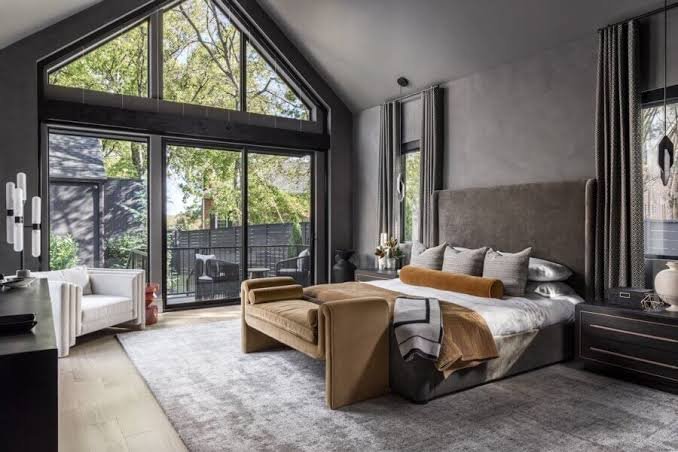
Interior design trends 2026 start with colour, and the shift is hard to miss. Deep browns, moody greens, and burgundy are back in a big way — one industry survey even found interest in burgundy nearly tripled compared to the year before. Stark white walls are starting to feel a bit clinical by comparison.
Picture a two-bedroom flat in Jaipur with plain white walls and steel furniture. It’s functional, sure, but it doesn’t feel like anyone lives there. Now imagine the same flat with a terracotta accent wall, a rust-coloured rug, and warm brass fittings. Same layout, completely different feeling.
A few colours worth trying this year:
- Chocolate brown, especially on cabinetry and lower walls
- Sage or forest green for a calmer, grounded feel
- Burnt orange or terracotta — works beautifully with Indian light
- Butter yellow, if you want something softer and less committed
You don’t need to repaint the whole house. Even one accent wall in a warm tone can shift the mood of a room.
Quick Answer: What’s the biggest colour trend for 2026?
Earthy, saturated tones — chocolate brown, deep green, and burgundy — are leading interior design trends 2026, replacing the bright white and grey palettes that dominated the last decade.
2. Curved Furniture Is Everywhere (And It’s Not Just a Fad)
Sharp edges are softening. Curved sofas, rounded coffee tables, and arched doorways have moved from high-end showrooms into regular homes. I’ll admit I was skeptical about this one at first — curved furniture can eat up more floor space, and in a lot of Indian apartments, space is the one thing nobody has extra of.
But after seeing a few smaller curved chairs and ottomans in compact living rooms, I’ve come around. Done right, rounded furniture actually makes a small room feel less boxy. It softens the whole space.
If you’re working with limited square footage, start small:
- Swap a rectangular coffee table for an oval one
- Add one curved accent chair instead of a full curved sofa
- Look for arched mirrors or headboards — they’re an easy way in
3. Biophilic Design Goes Beyond a Few Houseplants
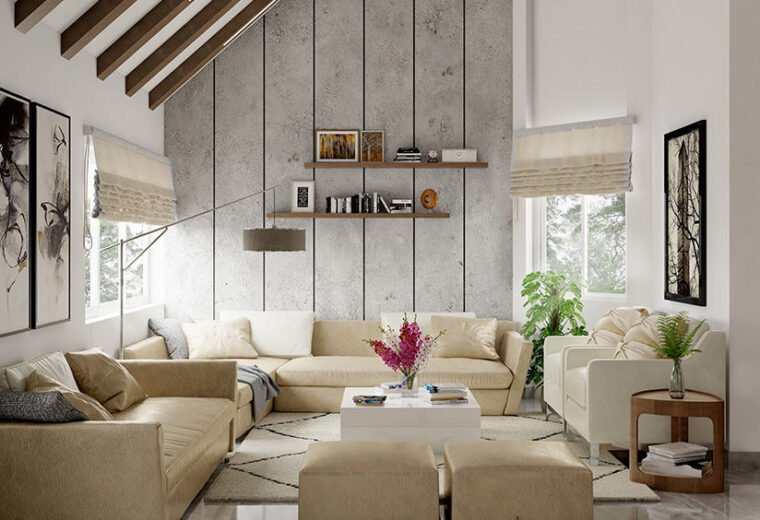
Bringing nature indoors isn’t new, but it’s gotten a lot more serious. It used to mean sticking a money plant on the windowsill. Now it means raw oak furniture, stone surfaces, hand-troweled plaster walls, and layouts built around natural light.
This matters even more in Indian cities, where a lot of us are dealing with pollution and long stretches indoors during peak summer heat. A living room designed around a big window, some greenery, and natural textures genuinely feels different to sit in — I’ve noticed this myself after adding a single indoor tree to a corner that used to just be dead space.
Ways to bring this into your home without a full renovation:
- Use reclaimed or raw wood furniture instead of laminate
- Add a couple of larger indoor plants, not just tiny succulents
- Choose stone or clay finishes for at least one surface
- Maximise whatever natural light you already have — skip the heavy curtains
Interior design trends 2026 keep circling back to this idea: a home should feel connected to the outdoors, not sealed off from it.
4. Textures Are Doing More Work Than Colour
Here’s something I didn’t expect to become such a big part of interior design trends 2026: texture is starting to matter more than colour choice. A room in three shades of beige can still look rich if the textures are varied enough — think bouclé, linen, rattan, and raw wood all in one space.
The opposite is also true. A perfectly colour-matched room with everything in smooth, flat surfaces can feel oddly lifeless, even when the palette is “correct.”
Layer at least three different textures in any room:
- A soft textile (bouclé cushions, a linen throw)
- Something natural and raw (rattan, jute, unfinished wood)
- One reflective or smooth surface to balance it out (glass, polished stone, metal)
Has this ever happened to you — a room that looks great in photos but feels flat in person? Nine times out of ten, it’s a texture problem, not a colour one.
Quick Answer: How do I make a room feel less flat?
Mix textures, not just colours. Combine soft fabrics like bouclé or linen with raw natural materials such as rattan or wood, plus one smooth or reflective surface, so the room has visual depth even within a single colour family.
5. Modern Heritage: Old Details, New Furniture
This one’s fun. “Modern heritage” blends classic architectural details — moulding, arches, traditional woodwork — with clean, contemporary furniture. It’s basically the opposite of gutting an old house and replacing everything with glass and steel.
For India, this trend has a natural head start. So many older homes already have jaali work, teak furniture, or courtyard-style layouts. Instead of covering that up, more designers are restoring it and pairing it with modern lighting and simple, uncluttered furniture.
[link to related guide on restoring traditional Indian home features here]
If you’ve inherited an older family home, this might be the year to lean into what’s already there instead of renovating it away.
6. Colour Drenching: One Colour, Every Surface
Colour drenching means painting the walls, trim, ceiling, and sometimes even furniture in a single tone. It sounds intense, and honestly, it can be — I wouldn’t recommend it for your whole house on a first attempt. But in a small guest bathroom or a reading nook, it works surprisingly well.
The trick is choosing a colour that doesn’t feel oppressive in a fully enclosed space. Deep green or navy tends to work better than very dark brown, which can make a small room feel like a cave rather than cosy.
A small business owner I came across recently tried this in a boutique changing room — deep plum walls, ceiling included, with brass hooks and a single round mirror. It completely changed how the space photographed for her Instagram, and customers started commenting on it unprompted.
7. Irregular Shapes and Asymmetry
Perfectly matched furniture sets are on their way out. Interior design trends 2026 favour rooms that look collected over time — mismatched but intentional, asymmetric rather than mirror-image.
This one’s genuinely good news for anyone on a budget. You don’t need a matching five-piece sofa set anymore. A vintage chair from a local antique market, paired with a newer sofa and a side table you already own, can look more interesting than a showroom set bought in one go.
Some easy ways to bring in asymmetry:
- Mix furniture from different eras or styles in one room
- Avoid buying full matching sets when you shop
- Let one wall carry more visual weight than the rest (a gallery wall, a bold paint colour, an oversized mirror)
8. Smart Tech, Hidden Better
Home automation isn’t new either, but the way it’s being integrated has changed. Instead of visible panels and obvious speakers, smart systems are getting tucked into furniture, walls, and lighting fixtures so the tech disappears and the room still feels warm rather than like a showroom.
[link to related guide on budget-friendly smart home setups here]
For Indian apartments, this usually means smart lighting and a couple of well-placed sensors rather than a full whole-home system — most of us aren’t retrofitting an entire building’s wiring. Even switching to app-controlled lighting in one room can shift the mood without a big renovation bill.
Bringing It Together: A Realistic Starting Point
You don’t have to chase every one of these interior design trends 2026 at once, and honestly, trying to would probably look chaotic rather than curated. Pick one or two that fit how you actually live.
If you’re renting, start with colour and texture — a few cushions, a throw, one accent wall if your landlord allows it. If you own your place and are planning a bigger renovation this year, the biophilic and modern heritage trends are worth building into your plans from the start, since they’re harder to retrofit later.
[link to related guide on decorating a rented apartment here]
FAQs
Is white still okay for interior design in 2026, or is it completely out? White isn’t gone, it’s just not the default anymore. Designers are pairing it with warm woods and earthy accents instead of using it as the whole palette. A white base with brown and green accents still works fine.
What’s the most budget-friendly 2026 trend to try first? Texture layering is probably the cheapest entry point. A few cushions, a jute rug, and a linen throw can shift a room’s feel for under a few thousand rupees, without touching paint or furniture.
Are curved sofas practical for small Indian apartments? They can be, but go smaller. A curved accent chair or an oval coffee table gives you the look without eating up the floor space a full curved sofa needs.
Do I need to hire a designer to follow these trends? Not necessarily. Most of these — colour, texture, plants, mixing furniture styles — are things you can do yourself. A designer helps more with structural changes like modern heritage restorations or full biophilic layouts.
Which colour is trending the most for 2026? Chocolate brown and deep, moody tones like burgundy and forest green are leading the pack this year, according to multiple industry surveys, replacing the bright whites and cool greys that were popular for years.
Will these trends still be relevant next year? Some will stick around longer than others. Texture layering and biophilic design feel like longer-term shifts, while colour drenching and specific shades like butter yellow may fade faster, the way trend colours usually do.
Conclusion
Interior design trends 2026 aren’t really about chasing something new for the sake of it — they’re a pushback against homes that felt too polished and too impersonal for too long. Warmer colours, real textures, a bit of asymmetry, and a stronger connection to nature: none of this is complicated, and most of it doesn’t require a full renovation.
Start with one room. Add texture before you add colour. See how it feels before you commit to anything bigger. And if you’re mid-renovation already, this might be the year to keep one or two heritage details instead of ripping everything out.
What’s one thing in your home you’ve been meaning to change this year? Start there.