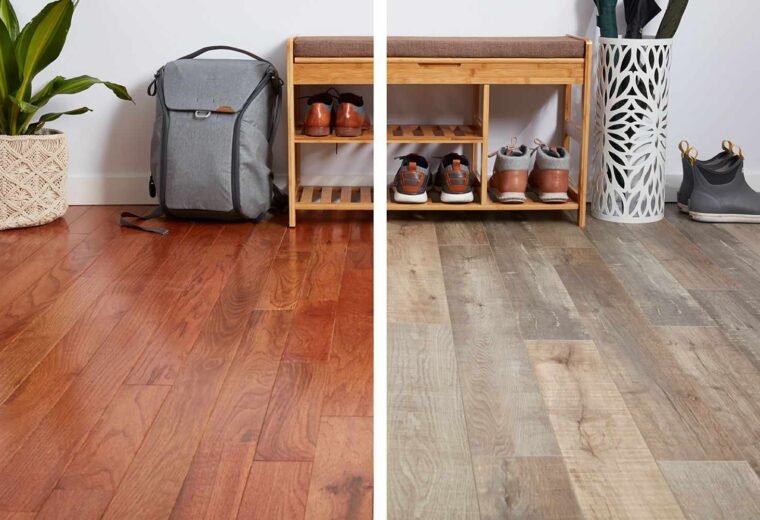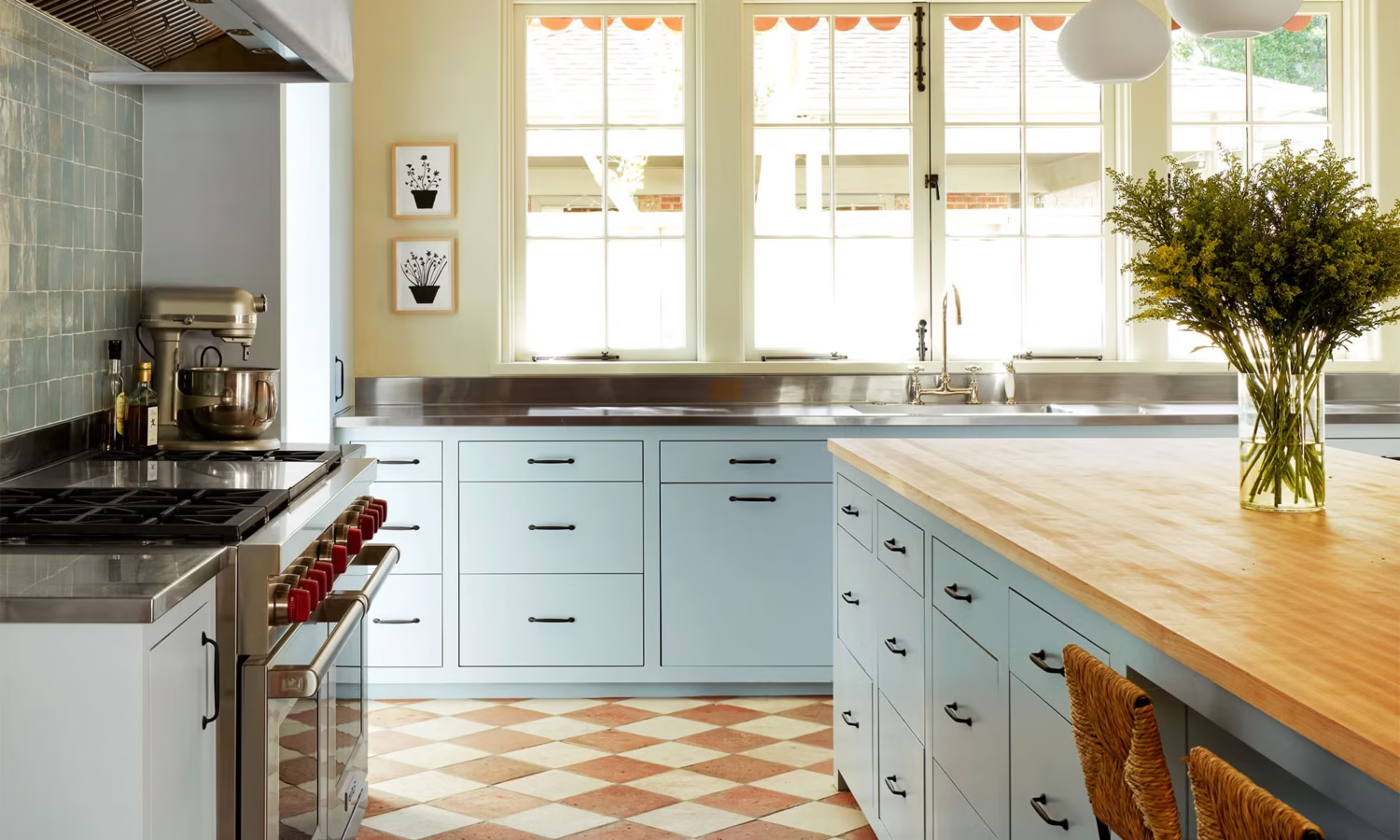
So you’re staring at your bare floors, paint swatches forgotten, wondering where to even start. Choosing the best flooring options for a home isn’t as simple as walking into a showroom and picking whatever looks nice under the lights. What works beautifully in a bedroom can turn into a slippery, chipped mess in a bathroom within a year. I learned this the hard way when I put laminate in a kitchen that flooded twice in one monsoon season — not my finest decision.
This guide breaks things down room by room, because that’s really how flooring decisions should be made. Not “what’s trending” but “what actually survives daily life here.” By the end, you should have a decent shortlist for every room, and honestly, a few ideas you might not have considered.
Why “Best Flooring Options” Depends Entirely on the Room
> Featured snippet: There’s no single best flooring option for a whole house — the right choice depends on moisture exposure, foot traffic, and budget for each room. Kitchens and bathrooms need water resistance; living rooms and bedrooms prioritize comfort and looks.
People ask me all the time, “what’s the best flooring, just tell me one thing.” I get why — it’d be so much easier. But a floor that’s perfect for a quiet study is a terrible fit for a mudroom where three kids and a dog track in half the garden every evening.
Think about three things before anything else: how much water will this floor see, how much traffic, and what’s your actual budget per square foot. Once you answer those, half your options disappear on their own, and the decision gets a lot less overwhelming.
Cost matters too, obviously. In India right now, you’re looking at roughly ₹40-80 per sq ft for basic vitrified tiles, ₹150-400 for good laminate, and anywhere from ₹300 to over ₹1,000 for solid wood or premium engineered options. Budget shapes the conversation as much as taste does.
Living Room Flooring: Balancing Style and Everyday Wear
Your living room is probably the most-used, most-seen space in the house — guests judge it, kids destroy it, and you spend your evenings on it. So the flooring has to do a lot of jobs at once.
Engineered hardwood is a strong pick here. It gives you the warmth of real wood without the extreme sensitivity to humidity that solid wood has — genuinely useful in most Indian climates. Vitrified tiles are the more budget-conscious cousin; large-format tiles in particular give a seamless, upscale look for a fraction of the price.
A few honest notes from experience:
- Light-colored floors show dust shockingly fast — if you’ve got pets, maybe reconsider that pristine white marble look
- Matte finishes hide scratches better than glossy ones, though glossy photographs better for Instagram (make of that what you will)
- Rugs aren’t just decoration; they genuinely extend the life of the floor underneath by absorbing impact
I’ll be honest, I’m not a huge fan of wall-to-wall carpet in Indian living rooms. It traps dust, doesn’t love humidity, and cleaning it properly needs equipment most households don’t bother owning. A large area rug over hard flooring gives you the cosy factor without the maintenance headache.
Kitchen Flooring: Where Water Resistance Isn’t Optional
> Featured snippet: For kitchens, the best flooring options are vitrified tiles, porcelain tiles, or waterproof vinyl plank — all resist spills, stains, and grease while standing up to constant foot traffic near stoves and sinks.
Kitchens take abuse. Oil splatters, dropped pans, water pooling near the sink — it’s relentless. This is genuinely not the room to get sentimental about hardwood.
Vitrified tiles remain the go-to for most Indian kitchens, and for good reason. They’re non-porous, don’t stain easily, and clean up with basically anything. Porcelain tiles are a close cousin with similar performance, sometimes at a slightly higher price for better finishes.
If you want something warmer underfoot, waterproof vinyl plank has gotten really good in the last few years. It mimics wood convincingly now, handles water without swelling, and it’s forgiving if you drop a heavy pot (unlike tile, which will chip or crack).
One thing I’d flag: avoid highly polished, glossy tiles near the cooking area. Combine oil residue with a wet floor and glossy tile, and you’ve basically built a slip hazard. Anti-skid or matte-finish tiles cost a little more but they’re worth it, especially if you’ve got elderly parents at home.
Bathroom Flooring: Safety First, Then Everything Else
Bathrooms are unforgiving — constant moisture, soap residue, and someone eventually walking in barefoot right after a shower. Safety has to come before aesthetics here, full stop.
Anti-skid ceramic or vitrified tiles are the standard choice, and honestly, there’s not much reason to deviate. Look specifically for tiles rated for wet areas — the R-rating (slip resistance rating) isn’t just marketing, it actually matters. Natural stone like slate can look gorgeous but needs sealing and regular maintenance, which a lot of homeowners underestimate.
A quick practical list for bathroom flooring:
- Choose smaller tiles for the shower area — more grout lines mean better grip
- Skip high-gloss finishes entirely in wet zones
- Get proper slope and drainage sorted before the tiling begins, not after
- Consider a contrasting tile for the shower floor so water pooling is visible early
Has your bathroom floor ever felt slippery even when it “looked” dry? That’s usually a finish problem, not a cleaning problem — worth checking before you blame the mop.
Bedroom Flooring: Comfort Should Win Here
> Featured snippet: Bedrooms benefit most from warm, soft-underfoot flooring like laminate, engineered wood, or carpet tiles — comfort and noise reduction matter more here than water resistance or heavy-duty durability.
Bedrooms are the one room where I’d actually push you toward comfort over practicality. You’re walking in barefoot, first thing in the morning, half asleep — cold tile is not a pleasant welcome.
Laminate flooring works really well for bedrooms. It’s affordable, comes in wood-look finishes that fool most guests, and it’s warmer underfoot than stone or tile. Engineered wood is a step up in both price and feel, with a more authentic texture if that matters to you.
Carpet tiles are worth a mention too, particularly for kids’ rooms — they cushion falls, and if one section gets stained beyond saving, you can replace just that tile instead of the whole floor. That’s a small but genuinely useful advantage nobody tells you about upfront.
[link to related guide on choosing laminate vs engineered wood here]
Bathroom-Adjacent Spaces: Balconies and Utility Areas
These areas get skipped in most flooring guides, which is a bit odd given how much wear they take — direct sun, rain, and general neglect.
Outdoor-rated vitrified or ceramic tiles are your safest bet for balconies. They’re built to handle UV exposure without fading and won’t crack from temperature swings the way some indoor tiles will if used outside. For utility/wash areas, anti-skid tiles with a slight texture make a real difference — wet feet plus a smooth tile is a fall waiting to happen.
Some homeowners try to save money by using leftover indoor tiles outdoors. I’d steer you away from that. Indoor tiles usually aren’t rated for weather exposure, and within a couple of monsoons, you’ll see cracking or discoloration that costs more to fix than doing it right the first time.
Home Office and Study Room Flooring
Working from home has made this room matter a lot more than it used to. You’re sitting for hours, maybe rolling a chair around, and the acoustics of the space actually affect how it feels to work in.
Laminate or engineered wood flooring both work nicely here — warm enough to be comfortable, hard enough for a chair mat if you need one. Carpet tiles are another solid option if you want better sound absorption, particularly useful if your office doubles as a video-call room and you don’t want every keystroke echoing.
A small tip: pick a chair mat rated for hard floors if you go with laminate — dragging a wheeled office chair directly on laminate for a year or two will scratch it up faster than you’d expect.
Staircases and High-Traffic Transition Areas
Staircases don’t get much attention in flooring conversations, but they probably see more concentrated wear than any other single spot in the house.
Vitrified tiles with anti-skid nosing are common in Indian homes, and for good reason — durable, low maintenance, reasonably priced. Wood or laminate stairs look lovely but genuinely need textured strips or nosing added on each step, or they become dangerously slick, especially with wet feet or socks.
Picture a small business owner in Jaipur who runs a home office upstairs — clients walking up and down all day on smooth marble stairs is an accident waiting to happen, and honestly a liability concern too. Texture and grip should never be an afterthought on stairs.
Comparing the Best Flooring Options at a Glance
Here’s a rough side-by-side to make the choice easier:
| Flooring Type | Best For | Approx. Cost (per sq ft) | Water Resistance |
| Vitrified Tiles | Kitchen, living room, stairs | ₹40-100 | High |
| Anti-skid Ceramic | Bathroom, balcony | ₹35-90 | High |
| Laminate | Bedroom, home office | ₹150-400 | Low-Moderate |
| Engineered Wood | Living room, bedroom | ₹250-600 | Moderate |
| Solid Hardwood | Formal living areas | ₹400-1,200+ | Low |
| Waterproof Vinyl Plank | Kitchen, utility area | ₹120-350 | High |
Numbers vary by brand and city, obviously, but this should give you a realistic starting point when you’re budgeting the project.
FAQs About Choosing Flooring for Your Home
Q: What’s the most durable flooring option for Indian homes? Vitrified tiles are hard to beat on durability for the price. They resist scratches, stains, and heavy foot traffic, and they don’t need the sealing or polishing that natural stone demands.
Q: Is laminate flooring a good idea for Indian weather? It can be, but keep it away from high-moisture rooms. In coastal or heavily humid areas, laminate can swell or warp over time, so waterproof vinyl is often a smarter substitute if you love the wood look.
Q: Which flooring is best for pet owners? Vitrified tiles or waterproof vinyl plank handle scratches and accidents best. Carpet is honestly the worst choice if you’ve got pets — trust me on this one.
Q: How much should I budget for flooring an entire 2BHK? For a mid-range setup mixing tiles and laminate, expect somewhere around ₹1.5-3 lakh depending on square footage and finish quality. Premium wood options can push that significantly higher.
Q: Can I install different flooring in different rooms of the same house? Yes, and honestly you probably should. Mixing tile in wet areas with laminate or wood in living spaces is standard practice, not a design mistake — just plan your transition strips carefully where floors meet.
Q: How long does good quality flooring typically last? Vitrified tiles can easily last 20+ years with basic care. Laminate usually holds up for 10-15 years, while engineered wood sits somewhere in between, depending on foot traffic and how well it’s maintained.
Final Thoughts
Picking the best flooring options for your house really comes down to matching material to room, not chasing one trend for the whole place. Kitchens and bathrooms need water resistance and grip. Bedrooms and living rooms can lean into comfort and looks. Staircases need traction above everything else.
Take your time with this decision — flooring isn’t something you replace every couple of years, so it’s worth getting samples home and actually walking on them before committing. Talk to a couple of local contractors about installation costs too, since labor charges can shift the total budget more than people expect.
If you’re mid-renovation right now, start with the wettest rooms first — kitchen and bathroom — since getting those wrong is the costliest mistake to fix later. [link to related guide on flooring installation costs in India here] [link to related guide on vitrified vs ceramic tiles here]