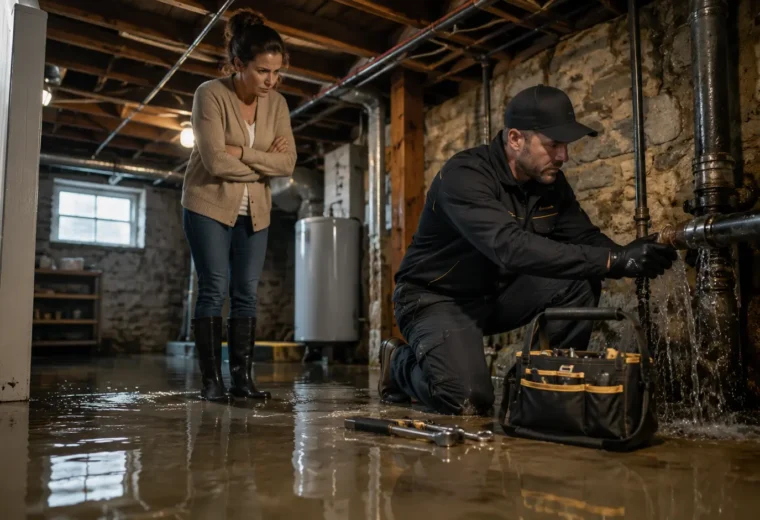
It’s 11 PM. Something under your kitchen sink is dripping, and the plumber’s number goes straight to voicemail. Sound familiar? Most common plumbing problems aren’t actually complicated — they just look scary because water is involved and nobody wants to make things worse. The truth is, a good chunk of what plumbers charge ₹500-₹1500 for a home visit to fix takes fifteen minutes and a trip to the hardware store.
This guide walks through the common plumbing problems that show up again and again in Indian homes, and what you can realistically do about them before picking up the phone. Some of these you can knock out today. A few, you’ll want to leave to a professional — and I’ll be upfront about which is which.
Leaky Faucets: The Drip That Won’t Quit
A dripping tap is probably the most common plumbing problem of all, and honestly, it’s the one people ignore the longest. That’s a mistake — a tap dripping once every two seconds wastes over 3,000 litres a month. That’s not a small number.
Quick answer: Most faucet leaks come from a worn-out rubber washer or a corroded O-ring inside the tap body. Turn off the water supply, unscrew the handle, replace the washer (available for ₹10-₹30 at any hardware shop), and reassemble.
Here’s how to actually do it:
- Shut off the water supply valve under the sink (or the main line if there isn’t one).
- Open the tap fully to release remaining pressure.
- Unscrew the handle — usually one screw hidden under a decorative cap.
- Pull out the spindle/cartridge and look at the washer at the base.
- Swap the old washer for a new one of the same size.
- Reassemble and turn the water back on.
I’ve noticed that in older buildings — the kind with those brass taps from the 90s — the threading is often worn too, not just the washer. If you replace the washer and it still drips a week later, that’s your sign the tap itself needs replacing, not just the parts inside it.
Clogged Drains: When Water Just Won’t Go Down
A slow-draining sink or shower is another classic among common plumbing problems, and it’s rarely as bad as people assume.
Quick answer: Most clogs are hair, soap scum, or food debris trapped in the P-trap or first few feet of pipe. A plunger or a drain snake clears 90% of these without any chemicals or a plumber’s visit.
Before reaching for a bottle of drain cleaner, try this order of operations:
- Boiling water — works surprisingly well on grease clogs in kitchen sinks. Pour it slowly, in stages.
- Plunger — cover the overflow hole with a wet cloth first, or you won’t get a proper seal.
- Drain snake or a bent wire hanger — for hair clogs in bathroom drains, this is genuinely more effective than any chemical.
- Baking soda + vinegar — half a cup of each, let it fizz for 15 minutes, flush with hot water. It’s not magic, but it does loosen light buildup.
I’ll be honest, I’m not a huge fan of chemical drain cleaners. They’re harsh on older PVC pipes, and if the clog doesn’t fully clear, you’re left with a pipe full of caustic liquid that makes the next fix more unpleasant. Mechanical methods first, chemicals as a last resort — that’s just how I’d do it.
Running Toilets: The Silent Water Bill Killer
Picture a small business owner in Jaipur running a guesthouse with six rooms — a running toilet in just one bathroom, left unnoticed for a month, can add ₹800-₹1200 to the water bill. Multiply that across rooms and it adds up fast.
Quick answer: A running toilet almost always means the flapper valve inside the tank isn’t sealing properly, or the fill valve is misadjusted. Both are cheap, beginner-friendly fixes.
To fix it:
- Remove the tank lid and watch what happens after a flush.
- If water keeps trickling into the overflow tube, adjust the float arm downward.
- If the flapper looks warped, cracked, or doesn’t sit flat, replace it — flappers cost around ₹100-₹200.
- Check the chain connecting the flapper to the flush lever isn’t too tight or too loose.
This is one of those common plumbing problems where the fix genuinely takes ten minutes once you know what to look for. [link to related guide on reducing household water bills here]
Low Water Pressure: Why Is Your Shower So Weak?
Low pressure is frustrating, and it’s not always the pipes’ fault — sometimes it’s just a clogged showerhead sitting right in front of you.
Start simple. Unscrew the showerhead and soak it in a vinegar solution overnight — mineral deposits from hard water (very common across most Indian cities) build up in the tiny holes and choke the flow. If that doesn’t help, check the aerator on your tap faucets the same way.
If every fixture in the house has weak pressure, though, that’s usually a bigger issue — a partially closed main valve, a failing pressure pump, or sediment buildup in the overhead tank. That’s not really a DIY job anymore; that needs someone who can test the actual water pressure at the source.
Leaking Pipes Under the Sink
Water pooling under your sink cabinet is one of those common plumbing problems that people panic about more than they need to — most of the time it’s just a loose connection, not a cracked pipe.
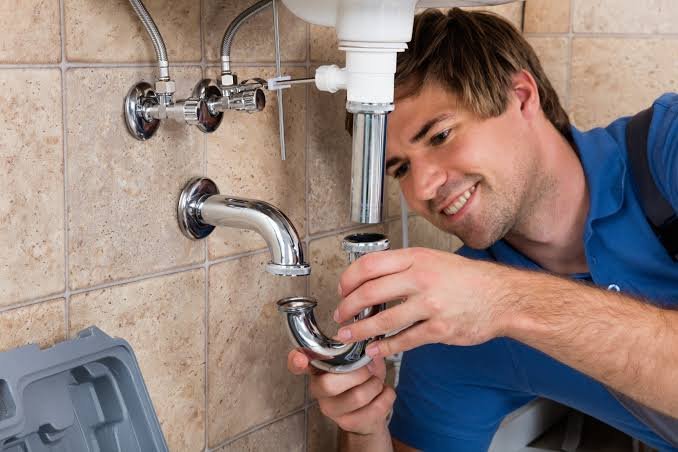
Quick answer: Check the slip-joint nuts connecting the P-trap first. These often just need hand-tightening or a wrench quarter-turn. If the leak persists, wrap the threads in plumber’s tape and reseal.
A few things worth checking, in order:
- Tighten the P-trap slip nuts (often the actual culprit).
- Inspect for cracks in the trap itself — plastic ones degrade over years of use.
- Check the supply line connections at the wall.
- Look at the rubber washers inside those connections — they harden and shrink over time.
If you’ve tightened everything and it’s still leaking, there’s likely an actual crack somewhere, and that pipe section needs replacing rather than patching.
Water Heater Troubles (Geyser Issues)
Geysers are one appliance where I’d genuinely encourage caution — this is not the place to go full DIY unless you know electrical work.
Quick answer: Common geyser issues include no hot water (often a faulty thermostat or heating element), water that’s too hot (thermostat set too high), or strange noises (sediment buildup at the bottom of the tank).
What you can safely do yourself:
- Check the thermostat setting first — sometimes it’s genuinely that simple.
- Flush the tank once a year to clear sediment (drain valve at the bottom, let it run into a bucket).
- Check the pressure relief valve is functioning by lifting the test lever briefly.
What you shouldn’t do yourself: opening up the heating element or working on the electrical connections without turning off the mains and knowing exactly what you’re doing. A geyser sits in a bathroom, wet floor, live wiring — that combination isn’t worth the ₹200 you’d save doing it yourself.
Squeaky or Noisy Pipes
Banging or whistling pipes (sometimes called “water hammer”) happen when water flow suddenly stops or changes direction and the pipe shudders from the pressure change.
Usually this means loose pipe fittings or air trapped in the lines. Try this:
- Turn off the main supply and open all taps to drain the system fully, then close them and turn the water back on — this often clears trapped air.
- Check if pipes are secured properly to walls; loose brackets cause rattling.
- If it’s a persistent bang every time a tap shuts, a water hammer arrestor (a small device installed at the problem fixture) usually solves it for good.
It’s not usually dangerous, just annoying — but if it’s happening constantly, it does put extra stress on joints over time.
Toilet Clogs Beyond the Plunger
Sometimes a plunger just doesn’t cut it, especially with the low-flow toilets common in newer Indian apartments — they use less water per flush, which occasionally means less clearing force too.
If plunging fails, a toilet auger (a flexible metal snake specifically designed for toilets, not the same as a regular drain snake) can reach further into the trap. These cost around ₹600-₹1000 and are worth owning if clogs happen often in your household. Avoid excessive chemical cleaners here too — they don’t do much for solid blockages and can damage the porcelain glaze over repeated use. [link to related guide on choosing the right toilet for your bathroom here]
When to Stop DIYing and Call a Professional
Not every plumbing issue is a weekend project, and knowing where that line sits will save you from turning a small problem into an expensive one.
Call a professional when:
- There’s a burst pipe or major flooding — shut the main valve off first, then call.
- Sewage is backing up into sinks or tubs (a sign of main line blockage, not a simple clog).
- You smell gas near a water heater — leave the house and call immediately, don’t investigate yourself.
- The fix involves cutting into walls or floors to access pipes.
- You’ve tried the basic fix twice and the problem keeps coming back.
There’s no shame in calling someone in. I’d rather spend ₹800 on a plumber than flood my own kitchen trying to save it. [link to related guide on finding a reliable plumber near you here]
Frequently Asked Questions
Why does my tap keep dripping even after I changed the washer? Usually it means the valve seat inside the tap body is worn or corroded, not just the washer. Sometimes mineral buildup on the seat stops it from sealing properly even with a new washer. If replacing it twice doesn’t help, the tap fitting itself probably needs swapping out.
Is it safe to use chemical drain cleaners regularly? Not really, no. They work, but repeated use corrodes older pipes, especially PVC, and they’re harsh if they come in contact with skin. Mechanical methods — plungers, snakes, boiling water — are gentler and just as effective for most clogs.
How do I know if a leak is serious enough to call a plumber? If you can see where the water’s coming from and it’s a loose joint or worn washer, that’s usually DIY territory. If water’s pooling from an unclear source, coming from inside a wall, or the flow doesn’t slow down when you tighten connections, call someone.
Why is my water pressure suddenly low in just one tap? That’s almost always local to that fixture — a clogged aerator or showerhead from mineral deposits. If it’s sudden and only one tap, it’s rarely a whole-house pressure problem.
Can I fix a running toilet without buying new parts? Sometimes, yes. Adjusting the float arm or straightening a kinked chain can fix it with zero cost. But if the flapper is visibly worn, it’s cheap enough (around ₹100-₹200) that replacing it is worth doing rather than fiddling indefinitely.
How often should I flush my geyser to prevent problems? Once every 6-12 months, depending on how hard your local water is. Areas with harder water — which is common across a lot of northern India — probably need it closer to the 6-month mark to prevent sediment buildup and heating inefficiency.
Wrapping Up
Most common plumbing problems — dripping taps, slow drains, running toilets, weak pressure — come down to a handful of worn parts that anyone can replace with basic tools and a bit of patience. The ones that genuinely need a professional are the exceptions, not the rule: gas smells, sewage backups, and anything involving cutting into walls.
Keep a small toolkit under the sink — a plunger, a wrench, a few spare washers, some plumber’s tape — and you’ll handle 2026’s plumbing surprises a lot more calmly than you did last year’s. Next time something drips at 11 PM, you’ll know exactly where to start before you even think about calling anyone.