Your roof doesn’t send you a text message when it’s about to fail. It just… quietly gives up. One day you notice a damp patch on the ceiling, and suddenly you’re googling signs you need roof replacement at 11 pm, half-panicking about what it’s going to cost you.
I get it. Roofs are one of those things nobody thinks about until they leak. But here’s the thing — most roofs actually warn you well in advance. You just have to know what you’re looking for. In 2026, with construction material costs still climbing, catching these signs early can save you a genuinely large chunk of money. Let’s get into it.
1. Your Roof Is Simply Old
A roof that’s crossed its expected lifespan is one of the clearest signs you need roof replacement, even if nothing looks obviously wrong yet.
Asphalt shingle roofs typically last 20-25 years. Metal roofs can go 40-50. Concrete or tile roofs, common in a lot of Indian homes, might hold up for 30+ years if maintained well. But age isn’t just a number here — it’s a countdown.
I’ve noticed that a lot of homeowners assume “if it’s not leaking, it’s fine.” That’s not really how it works. Materials degrade slowly, and by the time you see a leak, the underlying structure has often already taken damage for months, sometimes years.
If you don’t remember the last time your roof was replaced, or you bought the house without that history, it’s worth getting an inspection. Age alone justifies a professional look.
2. Shingles Are Curling, Cracking, or Missing
This one’s visual, and honestly the easiest to catch yourself. Grab a pair of binoculars, stand in your yard, and look up.
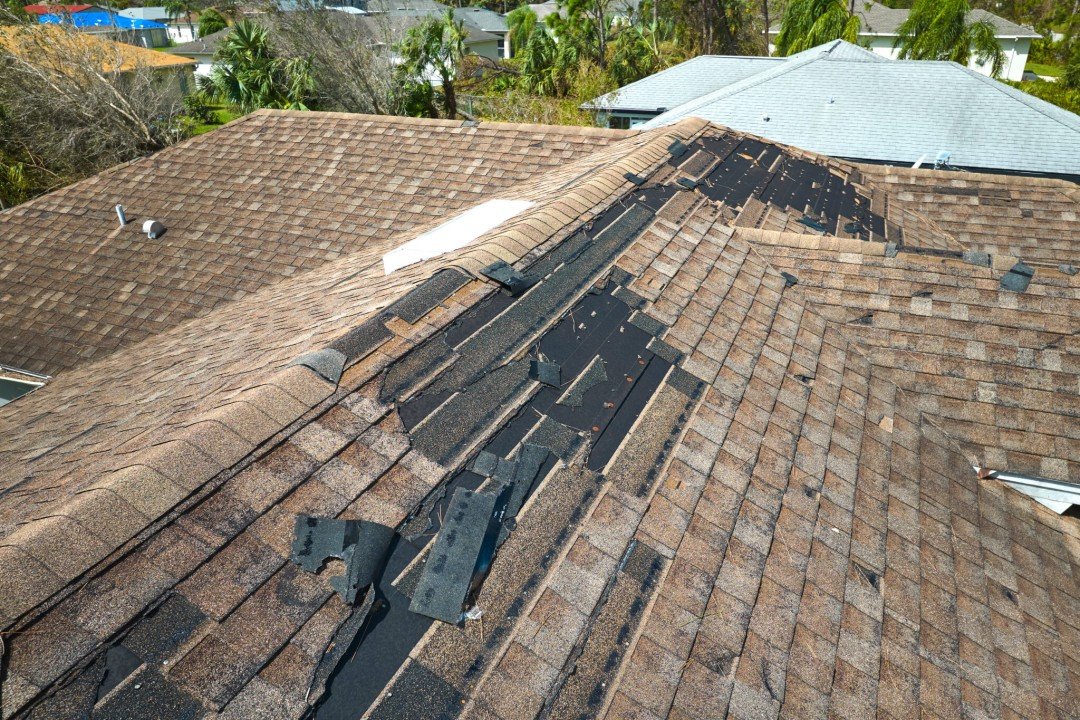
Curling or cracked shingles are a textbook sign you need roof replacement, especially if you’re seeing it across large sections rather than just one or two spots.
Here’s what to look for:
- Shingles curling upward at the edges (called “cupping”)
- Granules collecting in your gutters like coarse sand
- Bald patches where granules have worn off completely
- Cracked or split shingles, especially after a hailstorm
- Shingles that are just… missing, leaving bare patches
One or two damaged shingles? That’s a repair job. Widespread curling and granule loss across the whole roof? That’s your roof telling you it’s done.
3. Water Stains or Leaks Inside the House
Nothing gets a homeowner moving faster than a wet patch on the ceiling. Fair enough — this is often the most urgent sign.
Water stains, active drips, or leaks are among the most serious signs you need roof replacement, since they mean water has already breached your roofing system.
Picture this: a small business owner in Jaipur running a boutique out of a converted bungalow notices a faint yellow ring on the storeroom ceiling during monsoon season. She assumes it’s a one-off from a heavy storm and ignores it. Three months later, the ceiling plaster starts sagging, and what would’ve cost her maybe ₹15,000 in patch repair turns into a ₹1.5 lakh replacement job, including damaged inventory. That’s the real cost of “I’ll deal with it later.”
Don’t wait for a full-blown leak either. Even faint discoloration on ceilings or walls near the roofline is worth investigating right away.
4. Sagging Roof Deck
Stand back from your house and look at the roofline from a distance. Is it straight, or does it dip anywhere?
A sagging roof deck usually points to structural damage — rotted wood, water-logged insulation, or a foundation issue with the trusses themselves. This isn’t a cosmetic problem. It’s a “call someone this week” problem.
Sagging happens gradually, so it’s easy to miss if you see your house every day. Sometimes a neighbor or a visitor will point it out before you notice it yourself. If someone mentions your roofline looks “off,” take that seriously instead of brushing it aside.
5. Sunlight Coming Through the Attic
Go up to your attic on a bright day and turn off the lights. If you see pinpricks or beams of daylight coming through the roof boards, that’s a direct sign of gaps or holes — the exact same gaps that let rain in during the next downpour.
While you’re up there, also check for:
- Dark stains or streaks on the wood
- A musty smell (usually mold or trapped moisture)
- Sagging insulation that feels damp to the touch
This is honestly one of the most underused inspection tricks. Takes ten minutes and costs nothing.
6. Rising Energy Bills
Not the first thing people connect to their roof, but it matters more than most realize.
A sudden or gradual spike in cooling costs can be one of the quieter signs you need roof replacement, particularly if your attic insulation or roof ventilation has degraded over time.
An aging or damaged roof loses its ability to regulate heat. In Indian summers, that means your AC works overtime trying to compensate for heat pouring in through a compromised roof. If your electricity bill has crept up 15-20% over the last year or two with no real change in usage, your roof might be part of the story — not the whole story, but part of it.
I’ll admit this one’s easy to dismiss because there are a dozen other explanations for a higher bill. But if you’ve ruled out the obvious ones (old AC unit, more people at home, tariff hikes) and your roof is also aging, it’s worth putting two and two together.
7. Moss, Algae, or Fungal Growth
A little algae streaking isn’t the end of the world — it’s mostly cosmetic and common in humid regions. But moss is a different story.
Moss holds moisture against the roofing material, which speeds up decay underneath. Left alone, it can lift shingles or tiles and create tiny gaps water sneaks through. If you’re seeing thick moss growth, especially on the shaded side of your roof, that’s not just a cleaning job — it might mean the underlying material is already softening.
[link to related guide on roof maintenance tips here]
8. Multiple Repairs Haven’t Solved the Problem
Have you called a roofer three times this year for “just one more patch”? Has this ever happened to you — where every fix seems to work for a month, then the leak’s back somewhere else?
At some point, repeated repairs stop being cost-effective. Roofing contractors generally suggest that if repair costs are creeping past 30-40% of what a full replacement would cost, replacement is the smarter financial move. Constant patchwork is often a sign the roof’s overall structure, not just one section, has failed.
[link to how much roof replacement costs guide here]
How to Decide: Repair vs. Replace
Here’s a quick way to think about it. If the damage is isolated — one leak, a few shingles, a single problem area — repair is usually fine. If you’re seeing two or more of the signs above together, replacement is probably the more sensible long-term call.
A professional inspection helps here more than guesswork. Most reputable roofers will do a basic visual inspection for free or a small fee, and it’s worth getting a second opinion if the first quote feels aggressive.
[link to finding a trustworthy roofing contractor guide here]
What Happens If You Ignore These Signs?
Roofs don’t fail gracefully. They fail expensively. Ignoring signs you need roof replacement doesn’t just risk a leak — it risks:
- Structural damage to rafters and decking
- Mold growth that affects indoor air quality
- Damaged insulation, which drives up energy costs further
- Pest infestations through small gaps and rot
- A much bigger bill down the line, often 2-3x the original replacement cost
None of these get cheaper by waiting.
FAQ: Signs You Need Roof Replacement
How do I know if my roof needs replacing or just repairing? If the damage is localized — a leak in one spot, a handful of missing shingles — it’s likely repairable. Widespread curling, sagging, or repeated leaks in different spots usually mean replacement is the better long-term option.
What’s the average lifespan of a roof in India? It depends heavily on material. Concrete roofs can last 30+ years, metal roofing 25-40 years depending on quality, and asphalt shingles (less common but used in some regions) roughly 20-25 years.
Can I replace just part of my roof instead of the whole thing? Sometimes, yes, especially if the damage is confined to one section and the rest is structurally sound. But mismatched materials can affect appearance and sometimes create weak points where old and new sections meet.
Is roof replacement covered by home insurance? Often partially, especially if the damage was caused by a specific event like a storm or fire. Gradual wear-and-tear typically isn’t covered, which is exactly why catching problems early matters — insurers rarely pay for neglect.
How much does a roof replacement typically cost? It varies a lot based on material, roof size, and region, but as a rough range, expect anywhere from ₹80,000 to ₹3,00,000+ for a standard residential roof in India, depending on the scope of work.
How long does a full roof replacement take? Most residential roof replacements take between 2 to 5 days, weather permitting. Larger or more complex roofs can take a week or more.
Final Thoughts
Your roof is quietly doing a lot of heavy lifting — keeping water out, regulating temperature, protecting everything underneath it. The signs you need roof replacement are rarely dramatic at first. A curling shingle here, a faint stain there, a slightly higher electricity bill. It’s the accumulation that matters.
If you’ve spotted two or more of these signs in your own home, don’t just bookmark this article and move on. Get a roofer out this month, not “sometime this year.” A ₹500 inspection now beats a lakh-rupee emergency repair during the next heavy monsoon.
[Suggested image alt text 1: “Curling and cracked asphalt shingles showing signs of roof damage”] [Suggested image alt text 2: “Water stain on ceiling indicating roof leak needing replacement”] [Suggested image alt text 3: “Homeowner inspecting attic for sunlight gaps in roof boards”]