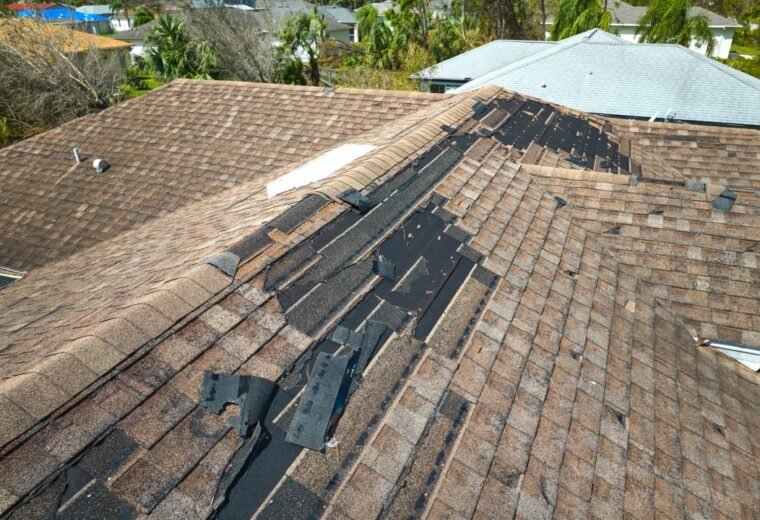
Most people only think about their roof twice: the day it’s installed, and the day it starts leaking. Everything in between is a blank. That gap is exactly where a handful of easy roof maintenance tips could’ve saved a lot of money and stress.
The truth is, a roof isn’t a “set it and forget it” part of your house. It’s more like a car — skip the oil changes and eventually something expensive breaks. The good news? Most roof maintenance doesn’t need a professional, a ladder emergency, or a big budget. A little consistency goes a long way, and in 2026, with roofing materials and labour costing more than they did even three years ago, that consistency pays for itself many times over.
1. Inspect Your Roof Twice a Year, Minimum
Regular inspection is the foundation of every good roof maintenance routine, and it costs nothing but twenty minutes of your time.
Spring and just before monsoon are the two windows that matter most. In spring, you’re checking for winter damage — cracked tiles, loosened flashing, that sort of thing. Before monsoon, you’re making sure everything is sealed tight before the real stress test begins.
Walk the perimeter of your house. Use binoculars if you’re not comfortable getting on the roof yourself (and honestly, unless you know what you’re doing, don’t). Look for:
- Missing or displaced tiles/shingles
- Flashing that’s pulled away from chimneys or vents
- Debris buildup in valleys where two roof slopes meet
- Any obvious sagging along the roofline
If you spot two or more of these, it’s worth calling in a professional rather than guessing at fixes.
2. Clean Your Gutters Before They Clog
Here’s something I’ve noticed after years of dealing with rental properties — gutter neglect is probably the single biggest cause of avoidable roof damage. It’s not glamorous work, but it matters more than almost anything else on this list.
Clogged gutters force water to back up under your roofing material, which leads to rot, leaks, and in bad cases, structural damage to the deck underneath. When gutters overflow, water doesn’t just fall away from the house — it seeps back toward the roof edge and the fascia board.
Clean them at least twice a year, more often if you’ve got overhanging trees. A ₹300 pair of gloves and an hour of your Sunday is a lot cheaper than a plaster repair job later. If climbing isn’t your thing, a local handyman will usually do it for a few hundred rupees.
3. Trim Overhanging Branches
Trees look nice next to a house. They also cause more roof damage than most homeowners realize.
Overhanging branches scrape against roofing material every time the wind blows, slowly wearing down shingles or loosening tiles. Worse, during a strong storm, a heavy branch can crack tiles outright or, in the worst case, punch a hole straight through.
As a rough rule, keep branches at least 6-10 feet away from the roofline. It also helps with another problem: branches give squirrels, rats, and other pests an easy bridge onto your roof, and from there, into your attic.
4. Deal With Moss and Algae Early
A little algae streaking on the north-facing (shaded) side of a roof is common in humid climates and mostly cosmetic. Moss is a different animal entirely.
Moss holds moisture against roofing material, and that moisture works its way underneath tiles or shingles over time, loosening them and creating small gaps. Left alone long enough, it can genuinely shorten a roof’s life by years.
A simple mix of water and mild detergent, applied with a soft brush, handles light growth. For anything thicker, a low-pressure wash (never high-pressure — it can strip granules or crack tiles) does the trick. Avoid harsh chemical treatments unless a roofer specifically recommends one for your material type.
[link to related guide on signs you need roof replacement here]
5. Check and Reseal Flashing Regularly
Flashing is the thin metal strip installed around chimneys, skylights, vents, and anywhere two roof surfaces meet. It’s a small part of the roof, but it fails disproportionately often — and when it does, leaks follow fast.
Flashing that’s cracked, rusted, or pulled loose is one of the most common causes of roof leaks, even in roofs that are otherwise in decent shape. Has this ever happened to you — a leak that seemed to come from nowhere, only for a roofer to point at a two-inch strip of metal as the culprit?
Reseal with roofing cement or silicone caulk where you spot gaps. If the flashing itself is rusted through, it needs replacing, not just resealing. This is a fairly cheap fix if caught early — often under ₹2,000 — but ignored flashing problems tend to snowball into much bigger repair bills.
6. Improve Attic Ventilation and Insulation
This one surprises people, because it doesn’t feel like “roof” maintenance at all. But poor attic ventilation is quietly one of the most damaging things for a roof’s long-term health.
Without proper airflow, heat and moisture get trapped in the attic. In summer, that trapped heat bakes the underside of your roofing material from below, speeding up wear. In monsoon season, trapped moisture encourages mold and can rot the wooden deck over time.
A few practical fixes:
- Make sure vents (ridge, soffit, or gable) aren’t blocked by insulation or debris
- Add insulation if your attic feels noticeably hot compared to the rest of the house
- Consider a solar attic fan if ventilation is genuinely poor — not cheap, but effective
Good ventilation also lowers your cooling bills, so the benefit isn’t limited to the roof alone.
7. Prep the Roof Before Monsoon Season
Pre-monsoon roof maintenance is arguably the single most important seasonal task for homeowners in India, given how much water stress a roof takes on during those months.
Picture a family in a two-storey home in Jaipur that skips their usual June roof check because things “look fine.” Three weeks into monsoon, a small gap around a poorly sealed vent lets water seep in during a heavy spell, and by the time they notice, the ceiling below has already started bubbling. A ₹1,500 sealant job, done in May, would’ve prevented the whole thing.
Before the rains hit:
- Clear all gutters and downspouts completely
- Reseal any flashing or vent penetrations
- Check for loose or cracked tiles that could let water through
- Trim back branches that could snap in heavy wind
Doing this in April or May, not June, gives you buffer time if a contractor is needed.
8. Don’t Ignore Small Repairs
This is less a technique and more a mindset shift, but it matters as much as anything else here. Small problems don’t stay small on a roof. A cracked tile today is a leak in six months and a rotted deck section in two years.
Fixing minor roof issues immediately is one of the most cost-effective roof maintenance tips available, since delayed repairs compound into far larger — and far more expensive — problems.
I’ll be honest, this is the tip people ignore most, because a single loose tile just doesn’t feel urgent. But roofing contractors consistently report that the jobs costing homeowners the most were, at some earlier point, a small fix that got put off for “next month.”
[link to how much roof replacement costs guide here]
How Often Should You Really Do This?
A rough schedule that works for most Indian homes:
| Task | Frequency |
| Visual inspection | Twice a year (spring + pre-monsoon) |
| Gutter cleaning | 2-4 times a year |
| Professional inspection | Every 2-3 years, or after major storms |
| Moss/algae treatment | As needed, check yearly |
| Flashing check | Once a year, ideally pre-monsoon |
[link to finding a trustworthy roofing contractor guide here]
FAQ: Roof Maintenance Tips
How often should I get my roof professionally inspected? Once every 2-3 years is a reasonable baseline, but get one done immediately after any major hailstorm or particularly rough monsoon, even if nothing looks obviously wrong from the ground.
Can I do roof maintenance myself, or do I need a professional? Basic tasks like gutter cleaning, visual checks with binoculars, and clearing debris are fine for most homeowners. Anything involving climbing onto the roof itself, resealing flashing, or working near electrical lines is safer left to a professional.
What’s the biggest mistake homeowners make with roof maintenance? Waiting until there’s a visible leak. By that point, water’s usually already done damage to the deck or insulation that you can’t see. Regular small checks catch problems while they’re still cheap to fix.
Does roof maintenance really extend a roof’s lifespan? Yes, meaningfully. A well-maintained asphalt or tile roof can often reach or exceed the upper end of its expected lifespan, while a neglected one frequently needs replacement years early.
How much does routine roof maintenance cost per year? It varies, but budgeting somewhere between ₹3,000 and ₹10,000 a year for gutter cleaning, minor repairs, and an occasional professional check-up is realistic for most homes.
Is pressure washing safe for roofs? Not usually. High-pressure washing can strip protective granules off shingles or crack older tiles. A low-pressure wash or a soft-bristle brush with mild detergent is the safer choice.
Final Thoughts
None of this is complicated. Clean the gutters. Trim the branches. Check the flashing. Fix small problems before they turn into big ones. The homeowners who get the most years out of their roof usually aren’t doing anything exotic — they’re just consistent about the basics, twice a year, without fail.
If it’s been longer than six months since you last looked up at your roof, that’s your sign. Grab a pair of binoculars this weekend, walk around the house, and see what you find. It’s the cheapest insurance policy you’ll ever take out on your home.
[Suggested image alt text 1: “Homeowner cleaning clogged roof gutters before monsoon season”] [Suggested image alt text 2: “Close-up of cracked roof flashing around a chimney”] [Suggested image alt text 3: “Moss growth on shaded side of a tiled roof”]