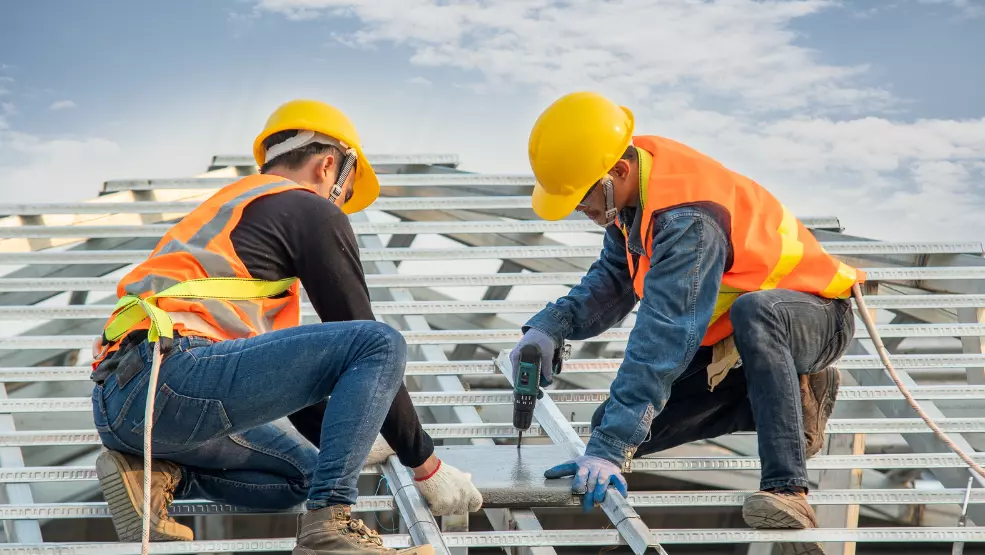
Category: Roofing

  • Roof Maintenance Tips to Extend Its Lifespan (2026 Guide)

    Roof Maintenance Tips to Extend Its Lifespan (2026 Guide)

    Most people only think about their roof twice: the day it’s installed, and the day it starts leaking. Everything in between is a blank. That gap is exactly where a handful of easy roof maintenance tips could’ve saved a lot of money and stress.

    The truth is, a roof isn’t a “set it and forget it” part of your house. It’s more like a car — skip the oil changes and eventually something expensive breaks. The good news? Most roof maintenance doesn’t need a professional, a ladder emergency, or a big budget. A little consistency goes a long way, and in 2026, with roofing materials and labour costing more than they did even three years ago, that consistency pays for itself many times over.

    1. Inspect Your Roof Twice a Year, Minimum

    Regular inspection is the foundation of every good roof maintenance routine, and it costs nothing but twenty minutes of your time.

    Spring and just before monsoon are the two windows that matter most. In spring, you’re checking for winter damage — cracked tiles, loosened flashing, that sort of thing. Before monsoon, you’re making sure everything is sealed tight before the real stress test begins.

    Walk the perimeter of your house. Use binoculars if you’re not comfortable getting on the roof yourself (and honestly, unless you know what you’re doing, don’t). Look for:

    • Missing or displaced tiles/shingles
    • Flashing that’s pulled away from chimneys or vents
    • Debris buildup in valleys where two roof slopes meet
    • Any obvious sagging along the roofline

    If you spot two or more of these, it’s worth calling in a professional rather than guessing at fixes.

    2. Clean Your Gutters Before They Clog

    Here’s something I’ve noticed after years of dealing with rental properties — gutter neglect is probably the single biggest cause of avoidable roof damage. It’s not glamorous work, but it matters more than almost anything else on this list.

    Clogged gutters force water to back up under your roofing material, which leads to rot, leaks, and in bad cases, structural damage to the deck underneath. When gutters overflow, water doesn’t just fall away from the house — it seeps back toward the roof edge and the fascia board.

    Clean them at least twice a year, more often if you’ve got overhanging trees. A ₹300 pair of gloves and an hour of your Sunday is a lot cheaper than a plaster repair job later. If climbing isn’t your thing, a local handyman will usually do it for a few hundred rupees.

    3. Trim Overhanging Branches

    Trees look nice next to a house. They also cause more roof damage than most homeowners realize.

    Overhanging branches scrape against roofing material every time the wind blows, slowly wearing down shingles or loosening tiles. Worse, during a strong storm, a heavy branch can crack tiles outright or, in the worst case, punch a hole straight through.

    As a rough rule, keep branches at least 6-10 feet away from the roofline. It also helps with another problem: branches give squirrels, rats, and other pests an easy bridge onto your roof, and from there, into your attic.

    4. Deal With Moss and Algae Early

    A little algae streaking on the north-facing (shaded) side of a roof is common in humid climates and mostly cosmetic. Moss is a different animal entirely.

    Moss holds moisture against roofing material, and that moisture works its way underneath tiles or shingles over time, loosening them and creating small gaps. Left alone long enough, it can genuinely shorten a roof’s life by years.

    A simple mix of water and mild detergent, applied with a soft brush, handles light growth. For anything thicker, a low-pressure wash (never high-pressure — it can strip granules or crack tiles) does the trick. Avoid harsh chemical treatments unless a roofer specifically recommends one for your material type.

    [link to related guide on signs you need roof replacement here]

    5. Check and Reseal Flashing Regularly

    Flashing is the thin metal strip installed around chimneys, skylights, vents, and anywhere two roof surfaces meet. It’s a small part of the roof, but it fails disproportionately often — and when it does, leaks follow fast.

    Flashing that’s cracked, rusted, or pulled loose is one of the most common causes of roof leaks, even in roofs that are otherwise in decent shape. Has this ever happened to you — a leak that seemed to come from nowhere, only for a roofer to point at a two-inch strip of metal as the culprit?

    Reseal with roofing cement or silicone caulk where you spot gaps. If the flashing itself is rusted through, it needs replacing, not just resealing. This is a fairly cheap fix if caught early — often under ₹2,000 — but ignored flashing problems tend to snowball into much bigger repair bills.

    6. Improve Attic Ventilation and Insulation

    This one surprises people, because it doesn’t feel like “roof” maintenance at all. But poor attic ventilation is quietly one of the most damaging things for a roof’s long-term health.

    Without proper airflow, heat and moisture get trapped in the attic. In summer, that trapped heat bakes the underside of your roofing material from below, speeding up wear. In monsoon season, trapped moisture encourages mold and can rot the wooden deck over time.

    A few practical fixes:

    1. Make sure vents (ridge, soffit, or gable) aren’t blocked by insulation or debris
    2. Add insulation if your attic feels noticeably hot compared to the rest of the house
    3. Consider a solar attic fan if ventilation is genuinely poor — not cheap, but effective

    Good ventilation also lowers your cooling bills, so the benefit isn’t limited to the roof alone.

    7. Prep the Roof Before Monsoon Season

    Pre-monsoon roof maintenance is arguably the single most important seasonal task for homeowners in India, given how much water stress a roof takes on during those months.

    Picture a family in a two-storey home in Jaipur that skips their usual June roof check because things “look fine.” Three weeks into monsoon, a small gap around a poorly sealed vent lets water seep in during a heavy spell, and by the time they notice, the ceiling below has already started bubbling. A ₹1,500 sealant job, done in May, would’ve prevented the whole thing.

    Before the rains hit:

    • Clear all gutters and downspouts completely
    • Reseal any flashing or vent penetrations
    • Check for loose or cracked tiles that could let water through
    • Trim back branches that could snap in heavy wind

    Doing this in April or May, not June, gives you buffer time if a contractor is needed.

    8. Don’t Ignore Small Repairs

    This is less a technique and more a mindset shift, but it matters as much as anything else here. Small problems don’t stay small on a roof. A cracked tile today is a leak in six months and a rotted deck section in two years.

    Fixing minor roof issues immediately is one of the most cost-effective roof maintenance tips available, since delayed repairs compound into far larger — and far more expensive — problems.

    I’ll be honest, this is the tip people ignore most, because a single loose tile just doesn’t feel urgent. But roofing contractors consistently report that the jobs costing homeowners the most were, at some earlier point, a small fix that got put off for “next month.”

    [link to how much roof replacement costs guide here]

    How Often Should You Really Do This?

    A rough schedule that works for most Indian homes:

    TaskFrequency
    Visual inspectionTwice a year (spring + pre-monsoon)
    Gutter cleaning2-4 times a year
    Professional inspectionEvery 2-3 years, or after major storms
    Moss/algae treatmentAs needed, check yearly
    Flashing checkOnce a year, ideally pre-monsoon

    [link to finding a trustworthy roofing contractor guide here]


    FAQ: Roof Maintenance Tips

    How often should I get my roof professionally inspected? Once every 2-3 years is a reasonable baseline, but get one done immediately after any major hailstorm or particularly rough monsoon, even if nothing looks obviously wrong from the ground.

    Can I do roof maintenance myself, or do I need a professional? Basic tasks like gutter cleaning, visual checks with binoculars, and clearing debris are fine for most homeowners. Anything involving climbing onto the roof itself, resealing flashing, or working near electrical lines is safer left to a professional.

    What’s the biggest mistake homeowners make with roof maintenance? Waiting until there’s a visible leak. By that point, water’s usually already done damage to the deck or insulation that you can’t see. Regular small checks catch problems while they’re still cheap to fix.

    Does roof maintenance really extend a roof’s lifespan? Yes, meaningfully. A well-maintained asphalt or tile roof can often reach or exceed the upper end of its expected lifespan, while a neglected one frequently needs replacement years early.

    How much does routine roof maintenance cost per year? It varies, but budgeting somewhere between ₹3,000 and ₹10,000 a year for gutter cleaning, minor repairs, and an occasional professional check-up is realistic for most homes.

    Is pressure washing safe for roofs? Not usually. High-pressure washing can strip protective granules off shingles or crack older tiles. A low-pressure wash or a soft-bristle brush with mild detergent is the safer choice.


    Final Thoughts

    None of this is complicated. Clean the gutters. Trim the branches. Check the flashing. Fix small problems before they turn into big ones. The homeowners who get the most years out of their roof usually aren’t doing anything exotic — they’re just consistent about the basics, twice a year, without fail.

    If it’s been longer than six months since you last looked up at your roof, that’s your sign. Grab a pair of binoculars this weekend, walk around the house, and see what you find. It’s the cheapest insurance policy you’ll ever take out on your home.

    [Suggested image alt text 1: “Homeowner cleaning clogged roof gutters before monsoon season”] [Suggested image alt text 2: “Close-up of cracked roof flashing around a chimney”] [Suggested image alt text 3: “Moss growth on shaded side of a tiled roof”]
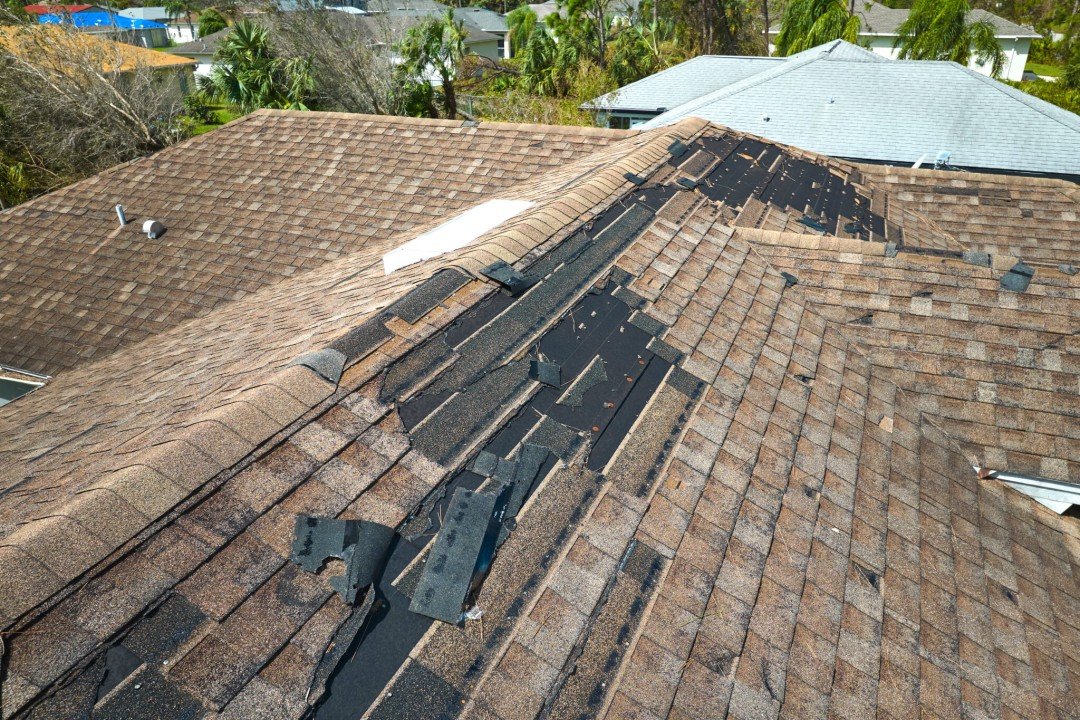
  • 7 Signs You Need Roof Replacement (Don’t Wait Too Long)

    7 Signs You Need Roof Replacement (Don’t Wait Too Long)

    Your roof doesn’t send you a text message when it’s about to fail. It just… quietly gives up. One day you notice a damp patch on the ceiling, and suddenly you’re googling signs you need roof replacement at 11 pm, half-panicking about what it’s going to cost you.

    I get it. Roofs are one of those things nobody thinks about until they leak. But here’s the thing — most roofs actually warn you well in advance. You just have to know what you’re looking for. In 2026, with construction material costs still climbing, catching these signs early can save you a genuinely large chunk of money. Let’s get into it.

    1. Your Roof Is Simply Old

    A roof that’s crossed its expected lifespan is one of the clearest signs you need roof replacement, even if nothing looks obviously wrong yet.

    Asphalt shingle roofs typically last 20-25 years. Metal roofs can go 40-50. Concrete or tile roofs, common in a lot of Indian homes, might hold up for 30+ years if maintained well. But age isn’t just a number here — it’s a countdown.

    I’ve noticed that a lot of homeowners assume “if it’s not leaking, it’s fine.” That’s not really how it works. Materials degrade slowly, and by the time you see a leak, the underlying structure has often already taken damage for months, sometimes years.

    If you don’t remember the last time your roof was replaced, or you bought the house without that history, it’s worth getting an inspection. Age alone justifies a professional look.

    2. Shingles Are Curling, Cracking, or Missing

    This one’s visual, and honestly the easiest to catch yourself. Grab a pair of binoculars, stand in your yard, and look up.

    Curling or cracked shingles are a textbook sign you need roof replacement, especially if you’re seeing it across large sections rather than just one or two spots.

    Here’s what to look for:

    • Shingles curling upward at the edges (called “cupping”)
    • Granules collecting in your gutters like coarse sand
    • Bald patches where granules have worn off completely
    • Cracked or split shingles, especially after a hailstorm
    • Shingles that are just… missing, leaving bare patches

    One or two damaged shingles? That’s a repair job. Widespread curling and granule loss across the whole roof? That’s your roof telling you it’s done.

    3. Water Stains or Leaks Inside the House

    Nothing gets a homeowner moving faster than a wet patch on the ceiling. Fair enough — this is often the most urgent sign.

    Water stains, active drips, or leaks are among the most serious signs you need roof replacement, since they mean water has already breached your roofing system.

    Picture this: a small business owner in Jaipur running a boutique out of a converted bungalow notices a faint yellow ring on the storeroom ceiling during monsoon season. She assumes it’s a one-off from a heavy storm and ignores it. Three months later, the ceiling plaster starts sagging, and what would’ve cost her maybe ₹15,000 in patch repair turns into a ₹1.5 lakh replacement job, including damaged inventory. That’s the real cost of “I’ll deal with it later.”

    Don’t wait for a full-blown leak either. Even faint discoloration on ceilings or walls near the roofline is worth investigating right away.

    4. Sagging Roof Deck

    Stand back from your house and look at the roofline from a distance. Is it straight, or does it dip anywhere?

    A sagging roof deck usually points to structural damage — rotted wood, water-logged insulation, or a foundation issue with the trusses themselves. This isn’t a cosmetic problem. It’s a “call someone this week” problem.

    Sagging happens gradually, so it’s easy to miss if you see your house every day. Sometimes a neighbor or a visitor will point it out before you notice it yourself. If someone mentions your roofline looks “off,” take that seriously instead of brushing it aside.

    5. Sunlight Coming Through the Attic

    Go up to your attic on a bright day and turn off the lights. If you see pinpricks or beams of daylight coming through the roof boards, that’s a direct sign of gaps or holes — the exact same gaps that let rain in during the next downpour.

    While you’re up there, also check for:

    • Dark stains or streaks on the wood
    • A musty smell (usually mold or trapped moisture)
    • Sagging insulation that feels damp to the touch

    This is honestly one of the most underused inspection tricks. Takes ten minutes and costs nothing.

    6. Rising Energy Bills

    Not the first thing people connect to their roof, but it matters more than most realize.

    A sudden or gradual spike in cooling costs can be one of the quieter signs you need roof replacement, particularly if your attic insulation or roof ventilation has degraded over time.

    An aging or damaged roof loses its ability to regulate heat. In Indian summers, that means your AC works overtime trying to compensate for heat pouring in through a compromised roof. If your electricity bill has crept up 15-20% over the last year or two with no real change in usage, your roof might be part of the story — not the whole story, but part of it.

    I’ll admit this one’s easy to dismiss because there are a dozen other explanations for a higher bill. But if you’ve ruled out the obvious ones (old AC unit, more people at home, tariff hikes) and your roof is also aging, it’s worth putting two and two together.

    7. Moss, Algae, or Fungal Growth

    A little algae streaking isn’t the end of the world — it’s mostly cosmetic and common in humid regions. But moss is a different story.

    Moss holds moisture against the roofing material, which speeds up decay underneath. Left alone, it can lift shingles or tiles and create tiny gaps water sneaks through. If you’re seeing thick moss growth, especially on the shaded side of your roof, that’s not just a cleaning job — it might mean the underlying material is already softening.

    [link to related guide on roof maintenance tips here]

    8. Multiple Repairs Haven’t Solved the Problem

    Have you called a roofer three times this year for “just one more patch”? Has this ever happened to you — where every fix seems to work for a month, then the leak’s back somewhere else?

    At some point, repeated repairs stop being cost-effective. Roofing contractors generally suggest that if repair costs are creeping past 30-40% of what a full replacement would cost, replacement is the smarter financial move. Constant patchwork is often a sign the roof’s overall structure, not just one section, has failed.

    [link to how much roof replacement costs guide here]

    How to Decide: Repair vs. Replace

    Here’s a quick way to think about it. If the damage is isolated — one leak, a few shingles, a single problem area — repair is usually fine. If you’re seeing two or more of the signs above together, replacement is probably the more sensible long-term call.

    A professional inspection helps here more than guesswork. Most reputable roofers will do a basic visual inspection for free or a small fee, and it’s worth getting a second opinion if the first quote feels aggressive.

    [link to finding a trustworthy roofing contractor guide here]

    What Happens If You Ignore These Signs?

    Roofs don’t fail gracefully. They fail expensively. Ignoring signs you need roof replacement doesn’t just risk a leak — it risks:

    1. Structural damage to rafters and decking
    2. Mold growth that affects indoor air quality
    3. Damaged insulation, which drives up energy costs further
    4. Pest infestations through small gaps and rot
    5. A much bigger bill down the line, often 2-3x the original replacement cost

    None of these get cheaper by waiting.


    FAQ: Signs You Need Roof Replacement

    How do I know if my roof needs replacing or just repairing? If the damage is localized — a leak in one spot, a handful of missing shingles — it’s likely repairable. Widespread curling, sagging, or repeated leaks in different spots usually mean replacement is the better long-term option.

    What’s the average lifespan of a roof in India? It depends heavily on material. Concrete roofs can last 30+ years, metal roofing 25-40 years depending on quality, and asphalt shingles (less common but used in some regions) roughly 20-25 years.

    Can I replace just part of my roof instead of the whole thing? Sometimes, yes, especially if the damage is confined to one section and the rest is structurally sound. But mismatched materials can affect appearance and sometimes create weak points where old and new sections meet.

    Is roof replacement covered by home insurance? Often partially, especially if the damage was caused by a specific event like a storm or fire. Gradual wear-and-tear typically isn’t covered, which is exactly why catching problems early matters — insurers rarely pay for neglect.

    How much does a roof replacement typically cost? It varies a lot based on material, roof size, and region, but as a rough range, expect anywhere from ₹80,000 to ₹3,00,000+ for a standard residential roof in India, depending on the scope of work.

    How long does a full roof replacement take? Most residential roof replacements take between 2 to 5 days, weather permitting. Larger or more complex roofs can take a week or more.


    Final Thoughts

    Your roof is quietly doing a lot of heavy lifting — keeping water out, regulating temperature, protecting everything underneath it. The signs you need roof replacement are rarely dramatic at first. A curling shingle here, a faint stain there, a slightly higher electricity bill. It’s the accumulation that matters.

    If you’ve spotted two or more of these signs in your own home, don’t just bookmark this article and move on. Get a roofer out this month, not “sometime this year.” A ₹500 inspection now beats a lakh-rupee emergency repair during the next heavy monsoon.

    [Suggested image alt text 1: “Curling and cracked asphalt shingles showing signs of roof damage”] [Suggested image alt text 2: “Water stain on ceiling indicating roof leak needing replacement”] [Suggested image alt text 3: “Homeowner inspecting attic for sunlight gaps in roof boards”]