Water is one of those things most of us take for granted until something feels off. Maybe the water leaves white marks on the kitchen faucet, the shower doesn’t feel quite as refreshing as it used to, or the drinking water has an unusual taste. Sometimes, the signs are subtle. Other times, they’re hard to ignore. Either way, water quality can influence everyday comfort, household maintenance, and the way people feel about the water they use.
For homeowners, finding a dependable water treatment solution isn’t simply about installing a filter and hoping for the best. It starts with understanding what’s actually in the water, identifying the problems that matter most, and choosing equipment that fits the home. Just as importantly, it means working with professionals who take the time to explain the options rather than pushing a one-size-fits-all system.
Why Water Quality Deserves More Attention
Water travels a long way before it reaches a kitchen tap. Along the route, its mineral content and chemical characteristics can vary depending on the original source, local infrastructure, treatment methods, and plumbing conditions. Municipal water is generally treated to meet applicable safety standards, but that doesn’t necessarily mean every household will be satisfied with its taste, odor, or mineral content.
Private well water presents a different set of considerations. Its quality can change with environmental conditions, nearby land use, seasonal rainfall, and other factors. A well that has supplied a family for years may still require periodic testing to identify changes that aren’t visible to the naked eye.
Common concerns include hardness minerals, iron staining, sediment, unpleasant odors, and certain contaminants. These issues aren’t all solved by the same equipment. A basic sediment filter, for example, can capture particles but won’t necessarily address dissolved minerals or other water quality concerns.
That’s why testing matters. Instead of guessing what might be wrong, homeowners can use test results to make informed decisions about the treatment their property actually needs.
The Value of Working With Experienced Professionals
Choosing a water treatment system can feel confusing, especially when several products promise similar results. Different technologies address different problems, and the most expensive option isn’t automatically the best one.
Working with locally trusted experts can make the process easier because experienced professionals understand the questions homeowners should ask before making a decision. They can assess the water source, discuss the symptoms a household has noticed, and recommend testing when necessary. Their guidance can also help distinguish between a problem that requires specialized treatment and one that may be resolved with a simpler solution.
A useful consultation should include more than a sales pitch. Homeowners deserve clear explanations of how a system works, what it is designed to remove or reduce, how much maintenance it requires, and what operating costs to expect. If a recommendation is based on water testing, the results should be explained in language that’s easy to understand.
It’s also worth asking about installation requirements, replacement filters, service availability, and the expected lifespan of major components. These details may not seem exciting at first, but they can make a real difference several years down the road.
How Modern Water Treatment Technology Helps
Water treatment has evolved considerably, giving homeowners more options for addressing specific quality concerns. However, new equipment only delivers meaningful benefits when it is matched to the problem at hand.
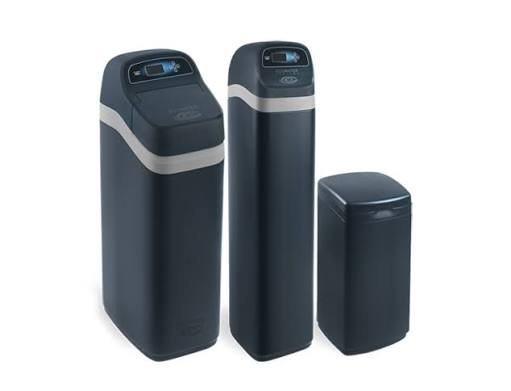
Water softeners, for instance, are commonly used to reduce hardness caused by dissolved calcium and magnesium. Hard water can contribute to mineral buildup on fixtures, spots on dishes, and reduced soap performance. A properly selected softener can help manage these everyday frustrations and may reduce scale accumulation in plumbing and water-using appliances.
Reverse osmosis systems serve a different purpose. They use a specialized membrane to reduce many dissolved substances in drinking water. Depending on the system and its certification, this can include certain unwanted contaminants. Because performance varies, homeowners should check which substances a specific model has been tested and certified to reduce.
Filtration systems can also address particular concerns, including sediment, chlorine-related taste and odor, or other substances when the filter is designed for them. For homes using private wells, treatment might involve multiple stages depending on the test results. Some conditions require specialized equipment, and disinfection may be necessary where microbial contamination is identified.
The important point is that cutting-edge technology should serve a clear purpose. A system doesn’t become the right choice simply because it has more features. Reliable performance, suitable capacity, appropriate certification, and straightforward maintenance are often more valuable than a long list of impressive-sounding specifications.
Finding a Solution That Fits Your Home
Every household uses water differently. A family of five may have very different needs from a couple living in a smaller property. The water source, number of bathrooms, daily consumption, plumbing layout, and specific quality concerns can all influence the best treatment approach.
Whole-home systems treat water as it enters the property, helping address certain concerns at multiple taps and appliances. Point-of-use systems, meanwhile, focus on a particular location, such as the kitchen sink. In some homes, a combination of approaches makes sense.
Budget matters, too. The initial purchase price is only one part of the calculation. Filter replacements, salt, electricity, water usage, servicing, and other operating expenses may add to the total cost over time. Asking for a clear estimate of ongoing expenses can prevent unpleasant surprises.
Homeowners should also avoid assuming that every treatment system makes water safer to drink. Some products improve taste or reduce hardness without addressing pathogens or other contaminants. If testing reveals a health-related concern, the selected system must be appropriate for that specific issue. When contamination is suspected, seek qualified guidance promptly rather than relying on appearance or taste alone.
Maintenance Is Part of the Solution
Even a well-designed treatment system needs attention. Filters eventually become clogged or lose effectiveness, softeners may require salt and periodic checks, and other equipment can need cleaning or professional servicing.
Following the manufacturer’s maintenance schedule helps preserve performance. It also gives homeowners a chance to notice problems before they become expensive repairs. A sudden change in water pressure, taste, odor, or appearance deserves investigation rather than being dismissed as a minor inconvenience.
Keeping service records and noting filter replacement dates can make maintenance easier. If a system includes monitoring features, homeowners should learn what its alerts mean and when a professional inspection is necessary.
It’s equally important to retest private well water at recommended intervals and after circumstances that could affect its quality. Treatment equipment doesn’t eliminate the need to monitor the water itself.
Make Water Quality a Practical Priority
Better water doesn’t always require a complicated setup. Sometimes the right answer is a targeted filter; in other situations, a softener, reverse osmosis system, or more specialized treatment may be appropriate. The best starting point is understanding the water, defining the problem, and comparing solutions based on evidence rather than assumptions.
For homeowners exploring their options in North Florida, contact ecowater of north florida to discuss water quality concerns and learn what treatment approaches may suit their household. Ask questions, review the recommendations, and make sure you understand both the expected benefits and the maintenance involved.
Ultimately, water treatment is about more than equipment. It’s about confidence in an everyday resource that people rely on for drinking, cooking, cleaning, and bathing. With reliable information, appropriate testing, and a system selected for the right reasons, homeowners can make thoughtful improvements that serve their needs for years to come.