A comfortable home isn’t built through one big renovation. More often, it’s the result of small improvements that make everyday life easier: a kitchen that works well, a garden that stays healthy, a bathroom that’s easy to maintain, and outdoor spaces where family and friends actually want to spend time.
Water has a part to play in all of these things. Its quality affects drinking and cooking, while the way it’s managed influences plumbing, gardens, swimming pools, and even the long-term condition of a property. With a little planning, homeowners can make practical upgrades that improve comfort without wasting money or resources.
The trick is knowing where to begin. Rather than buying equipment simply because it promises impressive results, start with the problems you want to solve and choose improvements that suit your household.
Understanding What’s in Your Water
Water can look perfectly clear and still contain minerals, dissolved substances, or other contaminants that affect its quality. The type of issue depends on the source. Municipal supplies are generally treated and monitored, while private wells may be influenced by local geology, nearby agricultural activity, and changes in groundwater conditions.
Hard water is one of the most familiar household concerns. Calcium and magnesium can leave white deposits on taps, shower screens, kettles, and heating elements. Some homeowners also notice that soap doesn’t lather as expected or that cleaning takes longer than it should.
Other concerns include sediment, iron staining, unpleasant tastes, and certain chemical contaminants. These problems don’t all require the same treatment, which is why testing is such a useful starting point.
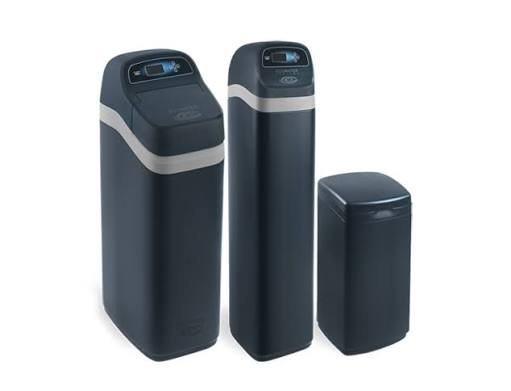
A sediment filter can remove suspended particles, for example, but it won’t necessarily reduce dissolved chemicals. Activated carbon may improve taste and reduce particular substances, while a water softener addresses hardness rather than disinfection. Choosing the correct method means understanding the actual issue instead of relying on guesswork.
Making Water Filtration More Sustainable
Many people want cleaner water while also reducing plastic waste, unnecessary energy use, and household consumption. These goals can work together, provided the equipment is selected carefully and maintained as intended.
Well-chosen water filtration & eco-friendly solutions can help households reduce their dependence on bottled water when tap water can be made suitable for drinking through an appropriate treatment system. A reusable bottle and a dependable kitchen filter may be a practical combination for everyday use.
Still, sustainability isn’t simply about installing a filter and forgetting it. Cartridges have limited service lives, and some treatment systems produce wastewater or consume electricity. Reverse osmosis, for instance, can reduce a range of dissolved contaminants, but its water use varies with the system design, operating pressure, and recovery rate.
Before purchasing a product, check what it is certified to reduce, how often its filters need replacing, and whether replacement parts are readily available. Consider the ongoing cost as well as the initial price. A system that is affordable to maintain is more likely to receive the care needed for reliable performance.
There is no need to treat every drop of water in the house if the problem is limited to one tap. A point-of-use filter may be sufficient for drinking and cooking, while whole-house treatment may make sense when testing identifies an issue throughout the supply.
Bringing Comfort and Efficiency to Pools and Spas
For homeowners with a swimming pool or spa, water management becomes part of the leisure experience. A clean, inviting pool can turn an ordinary weekend into something special, especially during warm weather. But behind that clear water is a collection of equipment that needs regular attention.
Modern pools & spas rely on circulation pumps, filters, sanitisation systems, heaters, and sometimes automatic cleaners to maintain suitable operating conditions. Each component has a job to do, and poor performance in one area can affect the whole system.
Pool water should be tested regularly for pH and sanitiser levels. These readings can change with rainfall, sunlight, temperature, and swimmer activity. Filters need cleaning or replacement according to the manufacturer’s guidance, and pumps should be inspected for leaks, unusual sounds, and changes in flow.
Energy use is another consideration. Pool pumps may operate for several hours daily, so efficiency matters over the long term. Variable-speed models can often reduce electricity consumption when configured for routine circulation, though actual savings depend on pool design and usage.
Spas require extra care because warm water can support faster microbial growth when sanitation is inadequate. Follow recommended cleaning schedules, maintain suitable chemical levels, and replace water as advised by the manufacturer. If water becomes cloudy or develops an unusual smell, investigate the cause rather than adding chemicals at random.
Good maintenance isn’t glamorous, but it protects the equipment and helps keep the space ready when you want to use it.
Improving Outdoor Spaces Without Wasting Water
A beautiful outdoor area doesn’t need to consume enormous amounts of water. Sometimes, a few changes to irrigation, planting, and drainage can make a noticeable difference.
Start with the garden itself. Plants suited to the local climate generally need less intervention than varieties that struggle in local temperatures or rainfall patterns. Mulch can help soil retain moisture, while drip irrigation delivers water near plant roots and may reduce losses from evaporation when properly installed.
Timing matters, too. Watering during cooler parts of the day can reduce evaporation. Check irrigation lines regularly because a small leak may go unnoticed for weeks, wasting water and creating muddy patches.
Rainwater collection can provide another useful source for outdoor tasks. A suitable tank connected to roof gutters can store rainfall for later garden use. Install screens, keep the tank covered, and provide a safe overflow route. Collected rainwater should not be used for drinking unless the complete system has been appropriately designed, treated, and tested for potable use.
Drainage is just as important as irrigation. Water should flow away from the building rather than collecting around foundations or pooling on walkways. Keep gutters clear, inspect downpipes, and address low spots where standing water regularly appears.
Making Outdoor Living and Home Improvement Work Together
Home improvement is often about making spaces more useful, not simply making them look newer. A well-planned patio, a shaded seating area, or a healthier garden can change how a household uses its property throughout the year.
Thoughtful outdoor living & home improvement projects consider water from the beginning. For instance, a new patio should be designed with suitable drainage so rainfall doesn’t run toward the house. A garden renovation can include efficient irrigation and rainwater storage, while a pool installation should account for equipment access, safe drainage, and ongoing maintenance.
These details may seem minor during the planning stage, but they’re harder and more expensive to correct after construction is finished.
It’s also sensible to think about future needs. A growing family may use an outdoor area differently in a few years. A garden could need additional irrigation, or a new extension might increase household water demand. Choosing adaptable equipment and leaving access for future servicing can make later improvements easier.
Don’t Overlook Routine Maintenance
Even the best-designed water systems need regular checks. Inspect visible plumbing for leaks, replace filter cartridges on schedule, and arrange professional servicing for pumps and treatment equipment when required.
Keep records of water tests, repairs, and replacement parts. If you notice a sudden increase in water bills, reduced pressure, or unusual pump cycling, investigate promptly. These changes may signal a leak or equipment fault that would otherwise go unnoticed.
For private wells, follow local guidance on testing and maintenance. If a test identifies contamination, use a treatment method specifically suited to the problem and seek qualified advice when necessary.
Small Improvements Can Deliver Lasting Benefits
A more comfortable and efficient home doesn’t require every possible upgrade at once. Begin with the issues that affect daily life, gather reliable information, and invest in equipment that solves those problems properly.
Cleaner drinking water, a well-maintained pool, and a thoughtfully designed garden all contribute to a property that’s easier to enjoy. When water quality, conservation, and practical home improvement are considered together, the result can be a healthier living environment with fewer avoidable costs.
The best upgrades are usually the ones that keep working quietly in the background. With sensible choices and consistent care, water can become a benefit to your home rather than another thing to worry about.