Most people don’t give their plumbing much thought when everything is working as it should. The shower runs, the kitchen tap delivers water, and the washing machine gets through its cycle without a fuss. It’s only when a pipe starts leaking, the drain refuses to clear, or the water develops an unusual smell that the system suddenly gets everyone’s attention.
These problems can be frustrating, especially when they appear at the worst possible moment. But plumbing isn’t just about fixing leaks after something breaks. It’s also about maintaining water quality, protecting fixtures, preventing avoidable damage, and making sure the systems a property depends on continue to work properly.
A little maintenance, combined with the right professional support, can make a real difference. Whether you’re responsible for a family home or a busy commercial property, understanding how plumbing and water treatment work together helps you make better decisions before small issues become expensive repairs.
Why Plumbing and Water Quality Belong Together
Plumbing systems do more than carry water from one place to another. They influence how water reaches taps, appliances, bathrooms, kitchens, and equipment throughout a building. When something goes wrong, the effects can spread quickly.
For example, a slow leak beneath a kitchen sink might seem harmless at first. Left unattended, though, it can damage cabinets, encourage mold growth, and weaken nearby materials. Similarly, mineral buildup inside pipes or water-using appliances may contribute to reduced performance and additional maintenance.
Professional plumbing and water treatment services can address these concerns from different angles. A plumber can investigate leaks, pressure problems, damaged fixtures, and drainage issues, while a water treatment specialist can assess concerns such as hardness, sediment, unpleasant odors, or specific contaminants.
These services complement each other, but they aren’t interchangeable. A filtration system won’t repair a cracked pipe, and replacing a faucet won’t remove unwanted substances from the water. Understanding the source of a problem is the first step toward choosing the right solution.
Everyday Warning Signs You Shouldn’t Ignore
Plumbing problems rarely announce themselves at a convenient time. More often, they begin with small changes that are easy to overlook.
A water bill that suddenly increases may indicate a hidden leak. A tap that sputters or produces inconsistent pressure could point to a supply issue, a clogged fixture, or another plumbing concern. Slow drains may result from accumulated grease, hair, soap residue, or a blockage farther along the pipe.
Water quality can provide clues, too. White deposits around faucets often indicate mineral buildup, while reddish-brown staining may be associated with iron. Neither observation confirms the exact cause on its own, but both can justify further investigation.
Pay attention to changes rather than assuming they’re normal. If a problem keeps returning after a temporary fix, there may be an underlying issue that needs a more thorough inspection. Addressing it early is often easier than dealing with damaged flooring, failed equipment, or a major leak later.
What Comprehensive Plumbing Care Looks Like
A dependable plumbing system needs more than occasional repairs. It benefits from regular inspections, sensible maintenance, and equipment suited to the building’s actual needs.
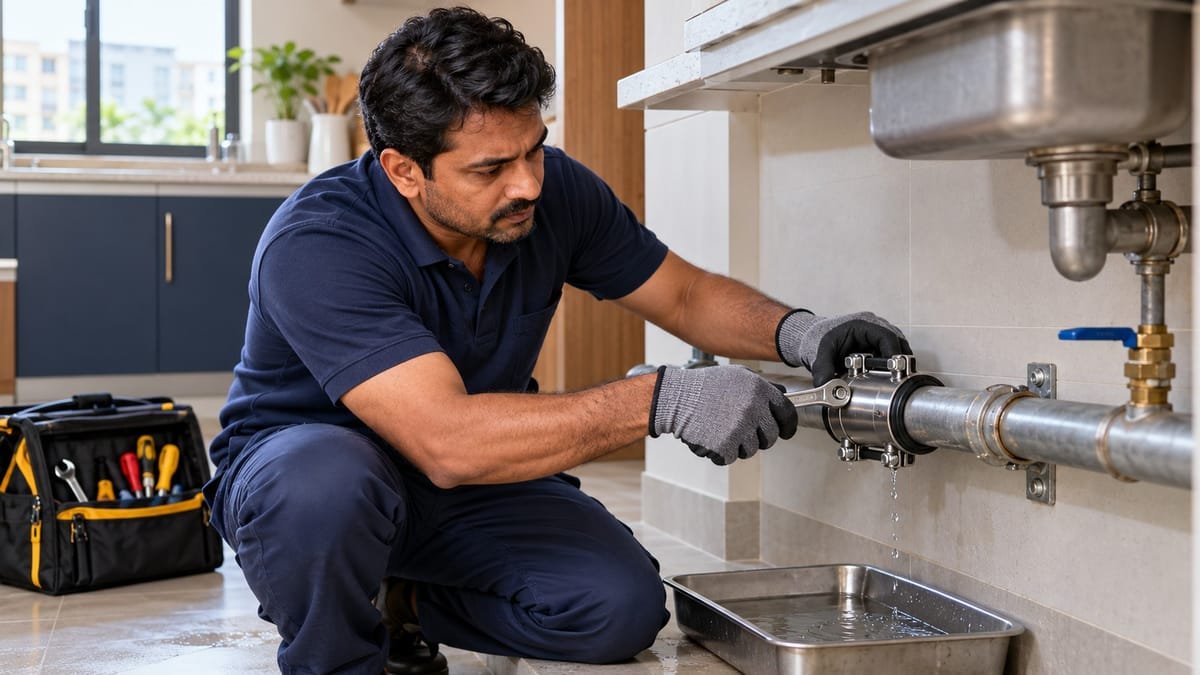
Quality comprehensive plumbing solutions may include fixture installation, pipe repairs, drain cleaning, water heater servicing, leak detection, and improvements to water pressure. Depending on the property, the work might also involve installing suitable filtration or softening equipment.
The right plan will vary from one building to another. A small apartment may need little beyond routine fixture maintenance and an occasional drain inspection. A larger home with several bathrooms, a water heater, and a private well may have more moving parts to consider.
Commercial buildings can be more demanding. Restaurants, offices, hotels, and workshops often use substantial amounts of water throughout the day. Even a relatively minor plumbing failure can disrupt operations, inconvenience staff, or affect customers.
A professional assessment helps prioritize the work. Rather than replacing everything at once, property owners can focus on the components that pose the greatest risk or are approaching the end of their useful life.
How Water Treatment Helps Protect Your Plumbing
Water quality can affect plumbing fixtures and appliances over time. Hard water, for instance, contains higher concentrations of calcium and magnesium. These minerals can form scale on heating elements, showerheads, and internal surfaces, potentially reducing efficiency and increasing cleaning requirements.
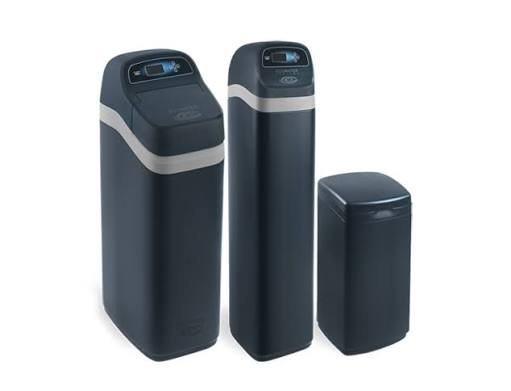
A properly selected water softener can reduce hardness minerals and help limit scale formation. Sediment filtration may be useful where sand, rust particles, or other suspended material is present. Activated carbon filters can improve certain taste and odor problems, depending on the filter’s design and capabilities.
However, choosing treatment equipment without testing the water can lead to disappointing results. A system designed for hardness won’t necessarily address bacteria or chemical contamination. Likewise, a standard carbon filter isn’t intended to solve every water-quality problem.
Start by identifying the concern, then choose equipment rated for the intended purpose. Consider water demand, installation requirements, replacement filters, and ongoing maintenance. The best system isn’t necessarily the most complicated one; it’s the one that addresses the problem reliably.
Preparing for Unexpected Plumbing Emergencies
Some plumbing problems can wait for a scheduled appointment. Others require immediate attention, particularly when water is actively damaging the property or creating a safety concern.
Burst pipes, overflowing toilets, major leaks, and sudden failures involving essential plumbing equipment can quickly become disruptive. In these situations, emergency plumbing support can help locate the problem, control the immediate damage, and determine what repairs are necessary.
Every household should know where its main water shutoff valve is located. This simple bit of preparation can be invaluable when a pipe bursts or a supply line fails. If it’s safe to do so, shutting off the water can limit further damage while help is arranged.
Electrical safety matters as well. If water is reaching electrical outlets, appliances, or wiring, avoid the affected area and seek appropriate professional assistance. Don’t attempt repairs in unsafe conditions.
Once the immediate problem has been controlled, ask what caused it and whether preventive work is advisable. A replacement pipe or fitting may solve the visible issue, but recurring leaks or repeated blockages can signal a wider problem.
Choosing a Plumbing Professional You Can Trust
Finding a reliable service provider involves more than comparing the lowest quote. Look for relevant experience, appropriate licensing where required, clear communication, and a willingness to explain the proposed work.
Before approving a major repair or installation, ask what the service includes, whether replacement parts are covered by a warranty, and what additional costs might arise. A trustworthy professional should be able to describe the problem in understandable terms rather than relying on technical language to rush a decision.
For water treatment installations, ask how the recommended system addresses your specific water conditions. If testing is needed, understand which parameters will be measured and how the results influence the equipment selection.
It’s also worth considering follow-up support. A system may require periodic inspections, filter changes, or seasonal maintenance. Knowing how those needs will be handled makes ownership simpler over time.
A Little Prevention Goes a Long Way
Reliable plumbing rarely happens by accident. It comes from noticing small changes, arranging repairs when necessary, and maintaining the equipment that keeps water moving through a property.
Check visible pipes and fittings occasionally, look for unexplained increases in water use, and avoid putting grease or unsuitable materials down drains. Follow maintenance recommendations for water heaters, filters, and other equipment, and seek professional advice when a problem persists.
Most importantly, don’t wait for a minor inconvenience to become a major disruption. With informed choices and dependable professional support, property owners can protect their plumbing, improve water quality where needed, and keep daily routines running with fewer unpleasant surprises.